
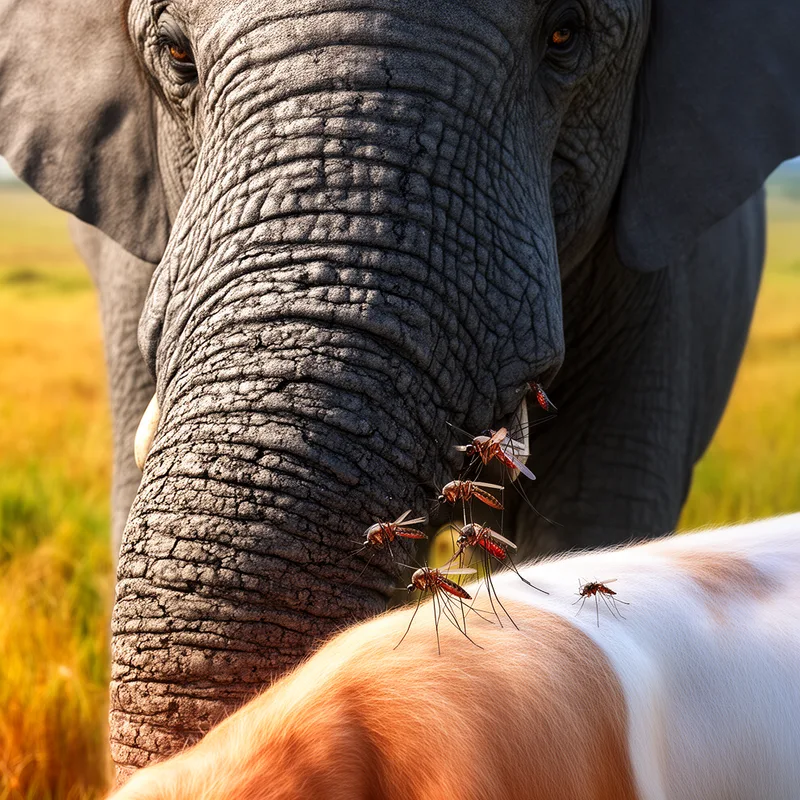
pachydermal
- adjective
- /ˌpækɪˈdɜrməl/
- The elephant's pachydermal hide protects it from most insect bites.
Examples
-
Some medieval bestiaries described dragons as having pachydermal armor that arrows could not pierce.
-
The pachydermal skin of the elephant protects it from harsh weather.
-
Her interest in biology led to a fascination with the pachydermal characteristics of certain mammals.
-
Many pachydermal species face threats from poaching.
-
The zoo features many pachydermal species, including elephants and rhinoceroses.
-
The pachydermal skin of the hippopotamus helps protect it from harsh environmental conditions.
-
Kids were fascinated by the pachydermal animals they saw at the wildlife sanctuary.
Synonyms
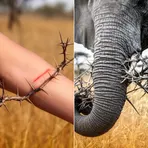
Having very thick skin like an elephant or rhino

Like large animals with very thick skin, for example elephants or rhinos
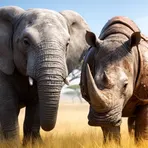
Like thick-skinned animals such as elephants or rhinoceroses
How Thick-Skinned


Surface Forms
Morphology
Etymology
The word pachydermal comes from the Greek parts pachy- 'thick' and -derm 'skin'. So, it describes animals with very thick hides, like elephants, rhinoceroses, and hippopotamuses.