
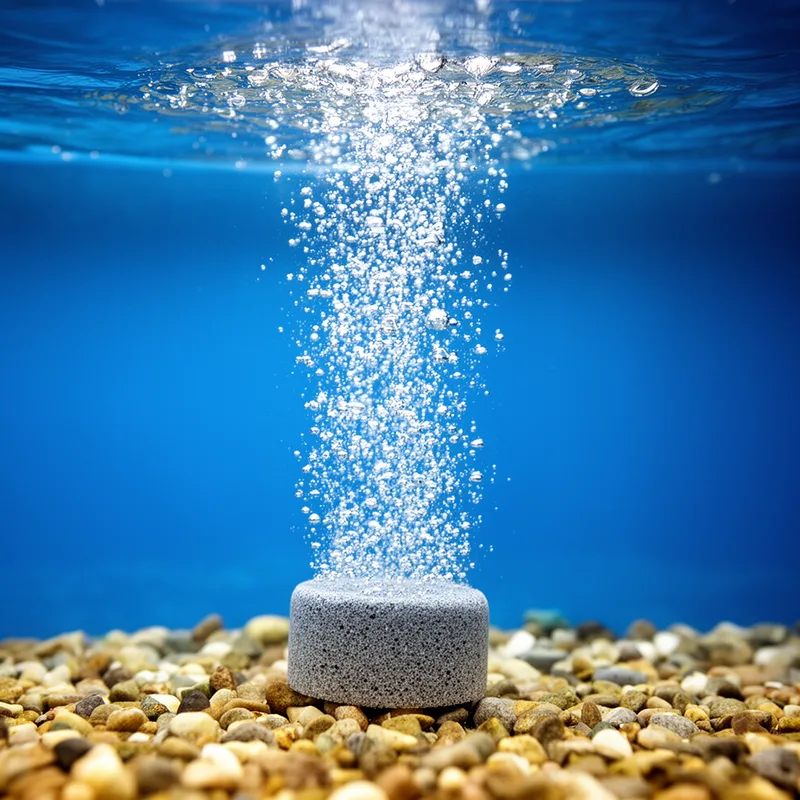
to oxygenate
 7
5.8
7
5.8

- verb
- /ˈɑksɪdʒəˌneɪt/
- Specialized
- Another advantage of a recirculation system is that as wastewater moves through the filter, it becomes oxygenated.
- oxygenated blood
- oxygenate the water
- well-oxygenated
Loading YouTube…
Watch on YouTubeOur blood's, you know, blood's not efficiently sort of oxygenating our organs.
- Our blood's, you know, blood's not efficiently sort of oxygenating our organs.
- It causes your brain to actually get oxygenated.
- But with, with, with without an oxygenated planet, you couldn't really have predation.
- So again, beets work because they oxygenate and build your blood, which then supports your brain.
- Functional MRI is based on the magnetic properties of a basic component of blood, oxygenated hemoglobin.
- Active parts of the brain have less, not more deoxygenated hemoglobin compared to oxygenated hemoglobin.
- And you know, all this, I mean, they can, you can, you can definitely oxygenate the system in a way that, that, that, that will help your, your health.
- It's the pro collagen oxygenating night cream duo.
Examples
-
The rest are beneficial because they oxygenate the water.
Academic text (2003) -
It oxygenates the room, helps you think, relieves stress.
-
In longer events, I will lead you through some of the ways where we oxygenate the cells.
-
For now, we're just going to oxygenate round one.
-
I can have the first stage ready to oxygenate in 10 minutes.
-
This will improve your, all your overall sort of sense of well-being and oxygenate your system.
-
So again, beets work because they oxygenate and build your blood, which then supports your brain.
-
Oxygenating it opens it up.
-
Migratory salmonoids require cool, well-oxygenated water in which to spawn.
-
The device is designed to oxygenate the blood of patients with respiratory issues.
Synonyms
 9
6.1
9
6.1
To join with oxygen, often causing metal to rust or fruit to brown
 5
4.5
5
4.5
To put air into something, for example soil or liquid

 1
8.5
1
8.5
To combine with oxygen, for example when metal forms rust

To add oxygen to something like water or blood to help living things
How Oxygenated

Surface Forms
Morphology
Etymology
The word oxygenate comes from oxygen, the life-giving gas, and the ending -ate, like in hydrate, which means 'to make or add', so to oxygenate something is to 'add oxygen' or make it full of oxygen.