
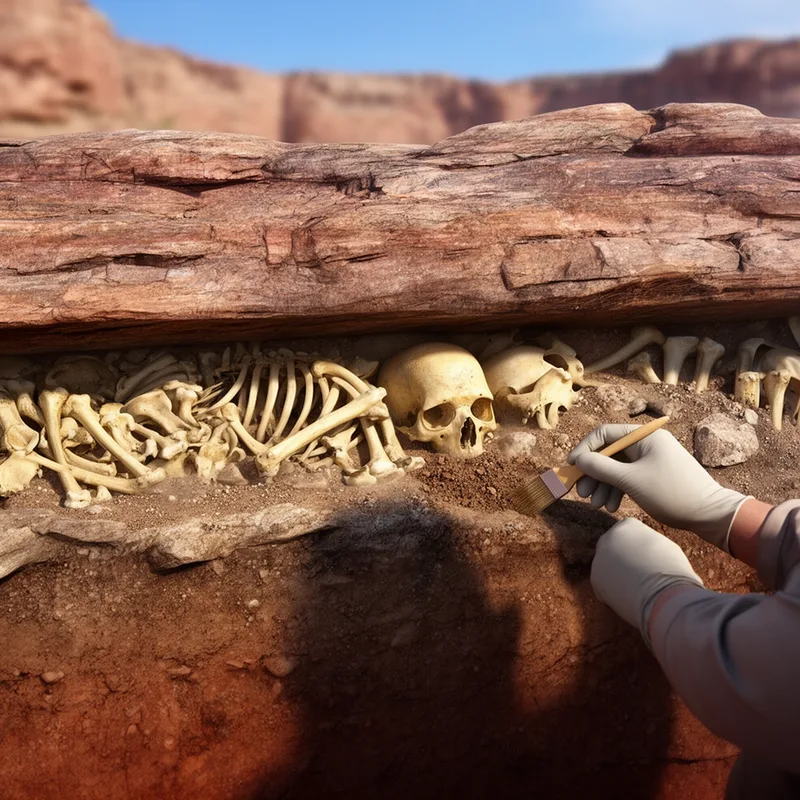
ossiferous


 1
9.9
- adjective
- /ˌɑːsɪˈfɛrəs/
- Specialized
- The paleontologists were excited to discover an ossiferous layer of rock in the canyon.
Examples
-
This ossiferous deposit is believed to have formed during the early Pleistocene epoch.
-
The ossiferous layer revealed many ancient fossils.
-
Several ossiferous caves in the region have yielded ancient animal fossils.
-
We discovered ossiferous deposits in the canyon.
-
The ossiferous layer of the cliff revealed ancient fossilized bones.
-
Geologists studied the ossiferous soil to learn more about prehistoric life.
-
They discovered ossiferous rock formations during the excavation for the new building.
Synonyms
 16
3.0
Made from the hard parts inside animals or humans, like a skeleton
 1
9.9
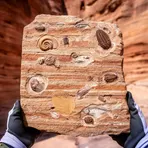
Rock or soil that has fossils
 1
9.4
Relating to bone or made of bone
Surface Forms
Morphology
ossiferous = ossi + ferous
The meaning 'bone-bearing' is built from learned classical elements, so most B1 learners would not infer it from the form alone.
Etymology
Ossiferous comes from Latin parts oss- meaning 'bone', as in ossify, and -ferous meaning 'bearing' or 'carrying'. So, ossiferous literally means 'bearing bones' and is used for rock or soil that contains bones.