
bony
 9
3.0
9
3.0

- adjective
- /ˈboʊni/
- Turning, he saw Petrovich reach into the truck and take the bony wrist in his hand.
- bony prominences
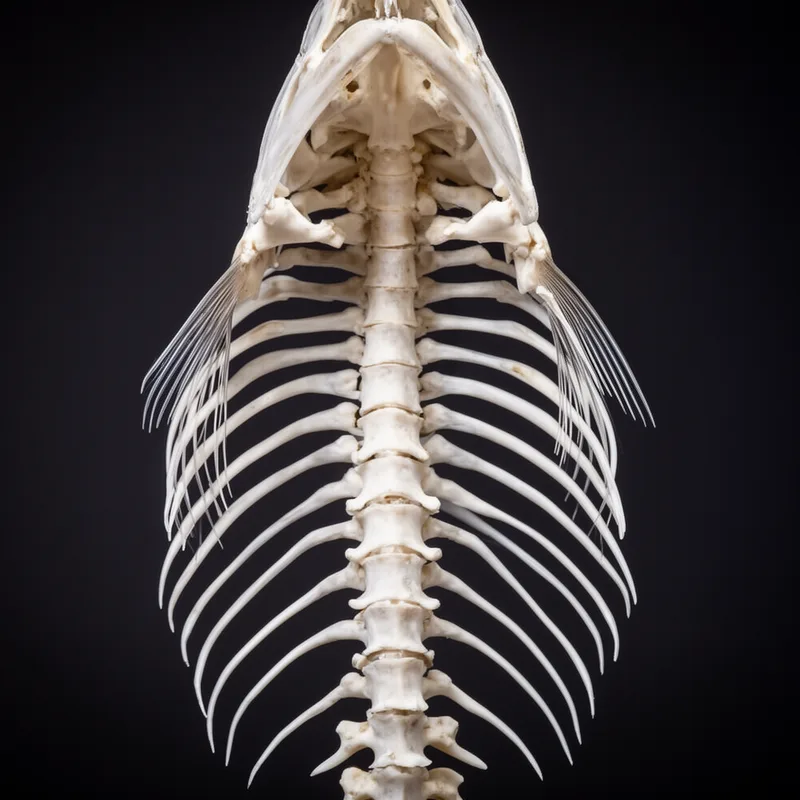
- bony endoskeleton
- bony defect
Loading YouTube…
Watch on YouTubeYour skull is really hard and has sharp Bony ridges.
- Your skull is really hard and has sharp Bony ridges.
- The back for many people simply means the spine, the Bony stuff that runs down your middle.
- They are pinch and tear herbivores, meaning they pinch the vegetation with their bottom teeth against that Bony plate and then tear it off.
- They don't have swim bladders like the Bony fishes do.
- I eat lots of Bony little fish that I eat their bones.
- And I've had this chat that he should have put bumper guards on some of these sharp Bony ridges.
- OK, this is all Bony and then this is all muscle and it's dropping cause high gravity.
Examples
-
Within the confines of its burrow, the wombat uses its bony lower back as a shield.
Academic text (1995) -
All modern Crocs have armor in the form of osteoderms, which are small Bony deposits in the skin.
-
Oh my God, that bony tail.
-
Your skull is really hard and has sharp Bony ridges.
-
" He rubbed his palm over the bony top of the cow's head.
Fiction book (1996) -
His X-ray photographs of the bony skeleton created both a scientific and a public sensation.
Academic text (1991) -
Over forty feet long and twenty-five feet high, the dinosaur has a bony sail along its back.
Fiction book (2001) -
With large, bony plates on its back, the Stegosaurus, a three-ton plant-eater, is a contemporary of the very first birds.
-
The innkeeper leaned forward, his bony face angled like a figurehead on a ship.
Fiction book (1991) -
The old dog had a bony frame, showing the signs of age and a lack of food.
Synonyms
 25
5.0
25
5.0
Connected to the bones that support and shape the body

Relating to bone or made of bone

Relating to bones in the body

Thin so you can see or feel the bones
Antonyms

Compounds


- Specialized
A hollow part of the skull bone that holds and protects the inner ear

How Boneless

Surface Forms
Morphology
Etymology
Bony comes from the simple word bone plus the ending -y, where -y means 'full of' or 'having'. So a bony object is literally 'having bone', which is why we use it for things made of or containing bone.