
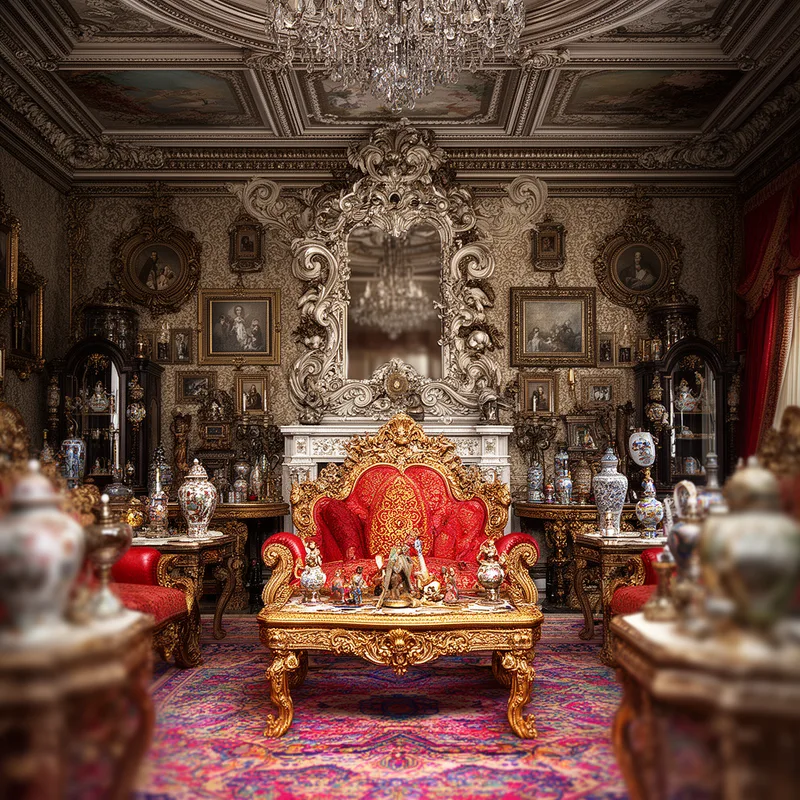
ornamentalism


 1
8.9
- noun
- /ˌɔrnəˈmɛntəlɪzəm/
- The museum's new exhibit explores trends of ornamentalism in nineteenth-century furniture.
Examples
-
The Victorian era was known for its ornamentalism in architecture and interior design.
-
Some critics argue that excessive ornamentalism can distract from the true function of an object.
-
The building's ornamentalism is evident in its intricate facade.
-
Many critics argue that ornamentalism detracts from functional design.
-
The cathedral is an excellent example of ornamentalism, featuring intricate carvings and elaborate stained glass.
-
Her living room is filled with ornamentalism, showcasing lavish decorations and ornate furniture.
-
Critics argue that the building's ornamentalism detracts from its overall functionality and purpose.
Synonyms
 20
3.7
The way something is made to look attractive or fashionable
 6
4.9
Details added to make something look more beautiful
 3
7.7
A very bright and fancy style that attracts attention in dress or manner
 1
8.6
A belief that beauty and artistic form are more important than practical or moral matters
 1
8.6
Making things look beautiful or like art, often ignoring practical and moral issues
 1
5.2
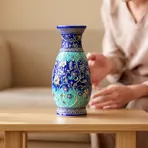
The quality of having pretty details that make something look attractive
 1
7.7
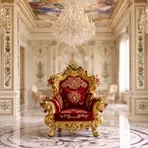
A thing or style with many decorative details

Decorative features that make something look attractive

The use of very fancy, detailed language or style that feels too much
Antonyms


- Specialized
1
8.1
The belief that the purpose of something matters more than its appearance
How Ornate

Surface Forms
Morphology
ornamentalism = ornamental (transparent) = ornament + al + ism
Formed by the adjective 'ornamental' + '-ism', producing a noun for the practice or style of ornamentation; the derivation is regular and clear.
Etymology
Ornamentalism comes from the simple word ornament, which comes from an old root meaning 'to decorate', and the ending -ism that shows a 'practice' or way of doing something. So, ornamentalism is the practice of adding decoration, often a lot, which is why the word describes very decorative styles in art, furniture, and buildings.