
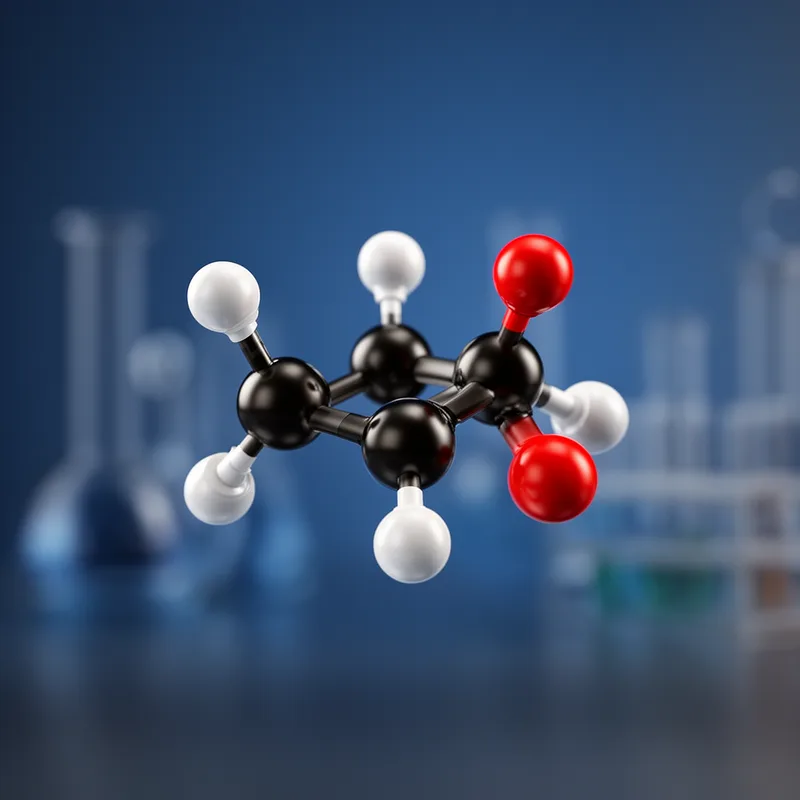
organic compound
 7
3.7
7
3.7

- noun
- /ɔrˈɡænɪk ˈkɑmpaʊnd/
- Specialized
- For instance, scientists have identified over 100 organic compounds in the Murchison meteorite.
- volatile organic compounds
- toxic organic compounds
- organic compound emission
Examples
-
The preservation of organic compounds depends on ambient conditions in the water column.
Academic text (2002) -
Waxes are a diverse class of organic compounds that are lipophilic malleable solids near ambient temperatures.
-
A range of metals and organic compounds is found in the ash.
Academic text (1993) -
The purpose was to look for the decomposition of indigenous or added organic compounds.
Academic text (1994) -
In this case, the organic compounds that the organism is able to synthesize on its own are observed.
Academic text (2017) -
The same is not true for the millions of organic compounds naturally present in our crops.
Blog text (29) -
Private and public laboratory assays had indicated the presence of organic compounds, but public health officials never pursued the data.
Academic text (1993) -
Muscadines also contain ellagic acid, a natural organic compound thought to inhibit the start of cancer caused by certain chemicals.
Academic text (1997) -
Airborne pollutants include a wide array of organic compounds, heavy metals, radionuclides, gases, and nutrients.
Academic text (2000) -
Scientists have identified over 100 organic compounds in the Murchison meteorite.
Antonyms
How Complex

Surface Forms
Morphology
The meaning 'a chemical compound containing carbon' is directly and transparently derived from combining 'organic' (pertaining to carbon-containing compounds) with 'compound' (a substance formed by chemical combination). This noun-noun composition is literal and cross-linguistically common, so a B1 learner who knows both constituents can readily infer the MWE's meaning.
Etymology
Organic compound comes from early chemists who used organic to mean 'from living things' and compound to mean 'made of parts'. Because they noticed many chemicals from plants and animals shared carbon, organic compound came to mean 'a chemical that contains carbon'.