
oleoresin
- noun
- /ˌoʊliˈrɛzɪn/
- Specialized
 :
oleoresina
:
oleoresina
- Many herbalists believe that oleoresin can be effective in natural healing due to its medicinal properties.
- oleoresin capsicum
Examples
-
The perfumer favored oleoresin for its strong aroma, which enhanced the quality of his fragrances.
-
Capsicum oleoresin is used to flavor spicy foods and make pepper spray.
-
The extraction process separates the oleoresin from the rest of the plant material.
-
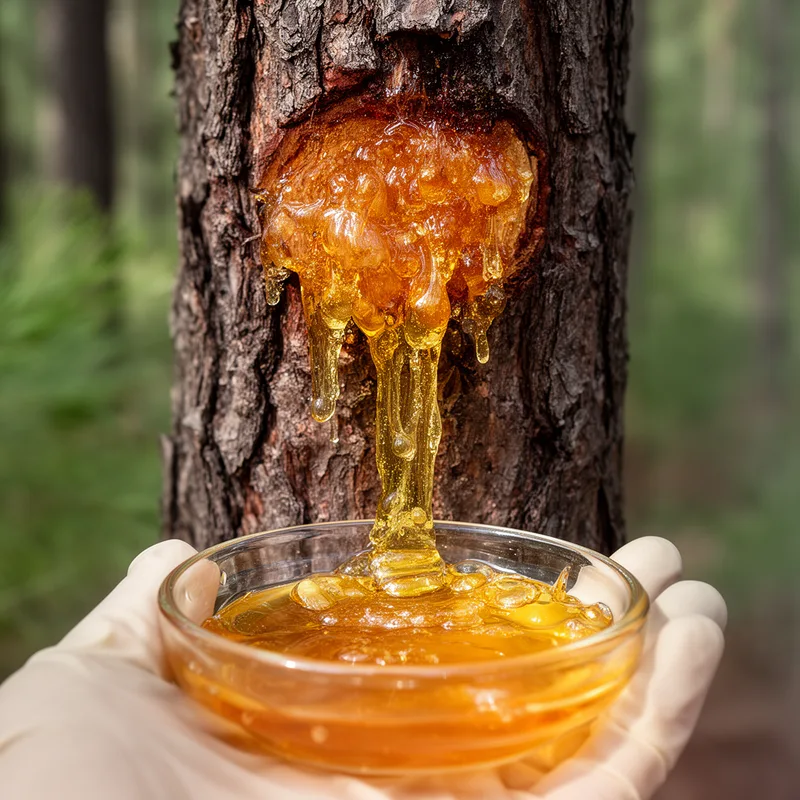
Turpentine is a type of oleoresin obtained from pine trees.
-
The oleoresin has a pleasant aroma.
-
Did you know that oleoresins are used in cooking?
-
The farmer extracted oleoresin from the plant to use in natural products and remedies.
Compounds

- Specialized
A thick oily extract from hot peppers used in spices and pepper spray
How Oily


Surface Forms
Morphology
Etymology
Oleoresin comes from two parts: oleo- meaning 'oil' and resin meaning 'a sticky plant substance'. So, oleoresin is a plant product that is both oily and sticky — a simple mix of 'oil' and 'resin' used for flavor, scent, or things like turpentine.