
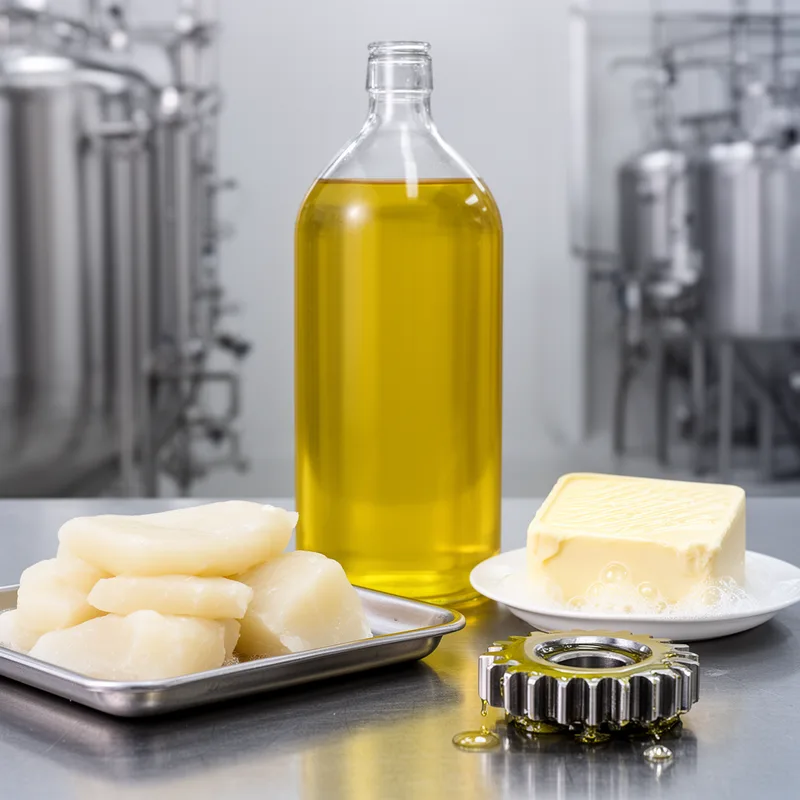
oleo oil
- noun
- /ˈoʊliˌoʊ ɔɪl/
- Archaic
- Margarine manufacturers often rely on oleo oil as a key ingredient.
Examples
-
The process of refining oleo oil makes it suitable for use in soaps and lubricants.
-
The factory specializes in producing oleo oil for use in the food industry.
-
The chef uses oleo oil to enhance the flavor of his dishes.
-
Many bakers prefer oleo oil for its unique properties.
-
Margarine manufacturers often rely on oleo oil as a key ingredient.
-
The factory specializes in producing oleo oil for use in the food industry.
-
The process of refining oleo oil makes it suitable for use in soaps and lubricants.
Synonyms

 406
1.0
406
1.0

A liquid fat from plants used for cooking and salad dressings

Fat from animals like fish and whales that is used as a liquid for fuel and soap

A liquid from plants or animals that does not evaporate quickly and is used for cooking and skin care
Surface Forms
Morphology
oleo + oil
The compound is a straightforward noun + noun composition: if a learner knows 'oleo' (margarine / beef fat) and 'oil', they can infer this is the oil derived from oleo. Although 'oleo' is somewhat archaic/rare, the semantic relation is compositional and follows common cross-linguistic patterns, so the meaning is directly derivable from the parts.
Etymology
Oleo oil comes from oleo, a short word for products made from animal fat, and it means the yellow oil taken from beef fat. Because this oil was used to make 'margarine', 'soap', and to 'lubricate' machines, the name links its source (beef fat) to its modern uses.