

fatty oil
- noun
- Specialized
- Olive oil is a type of fatty oil commonly used in cooking.
Examples
-
Some cosmetics use natural fatty oil to moisturize the skin.
-
The chef used fatty oil to enhance the dish's flavor.
-
Unlike essential oils, a fatty oil does not evaporate quickly or have a strong aroma.
-
Are you familiar with fatty oils in cooking?
-
Cooking with fatty oil can add flavor to dishes, especially when used in dressings or marinades.
-
Many traditional cuisines rely on fatty oils for their rich taste and unique texture in recipes.
-
Nutritionists recommend using fatty oils in moderation due to their high calorie content.
Synonyms
 406
1.0
406
1.0

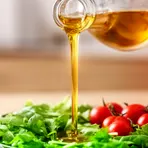
A liquid fat from plants used for cooking and salad dressings

 1
5.1
1
5.1
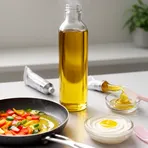
An oil from plants or animals that does not evaporate and is used in cooking, cosmetics and medicine
Surface Forms
Morphology
The meaning 'an oil high in fat/triglycerides' is directly and transparently derived from combining the adjective 'fatty' (having high fat content) with the noun 'oil'. This follows a regular adjective+noun compositional pattern that is cross-linguistically common and non‑idiomatic, so a B1 learner who knows both constituents would readily infer the meaning (aside from a minor technical contrast with 'essential oils').
Etymology
The phrase fatty oil comes from a simple picture: a thick, greasy liquid that is both fatty and an oil. That's why the name means an oil made from animal or plant fat that is heavy and does not evaporate quickly, unlike an 'essential oil'.