

oculomotor
 1
9.9
1
9.9

- noun
- /ˌɑk.jəˈloʊˌmoʊ.tər/
- Specialized
- Oculomotor exam suggests no central vestibular pathology.
Examples
-
Dr. Christopher Quinn, an optometrist with Omni Eye Associates, commented that this study confirms a unique connection between oculomotor skills and both cognitive and physical function.
Blog text (7) -
So that then is the essence of the oculomotor complex that I want to cover.
-
The oculomotor, the trochlear, the glossopharyngeal, and...
-
Children might differ in oculomotor skills influencing transitions from one line of text to the next.
Academic text (2013) -
The oculomotor nerve plays a crucial role in controlling eye movement and pupil response.
-
Damage to the oculomotor can lead to problems with eye coordination and vision.
-
During the exam, the doctor tested the function of the oculomotor nerve by checking how well the patient could follow a moving object.
Synonyms

A nerve that controls most muscles that move the eye
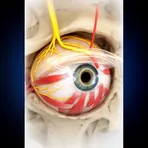
A nerve that moves most eye muscles and controls the eyelid and pupil
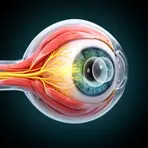
A nerve that moves most eye muscles and controls pupil size
Compounds
Surface Forms
Morphology
Etymology
Oculomotor comes from two Latin parts: oculo- meaning 'eye', as in ocular, and motor meaning 'mover', like a machine motor. So an oculomotor nerve is like an 'eye mover', which is why it controls most eye muscles and pupil movement.