
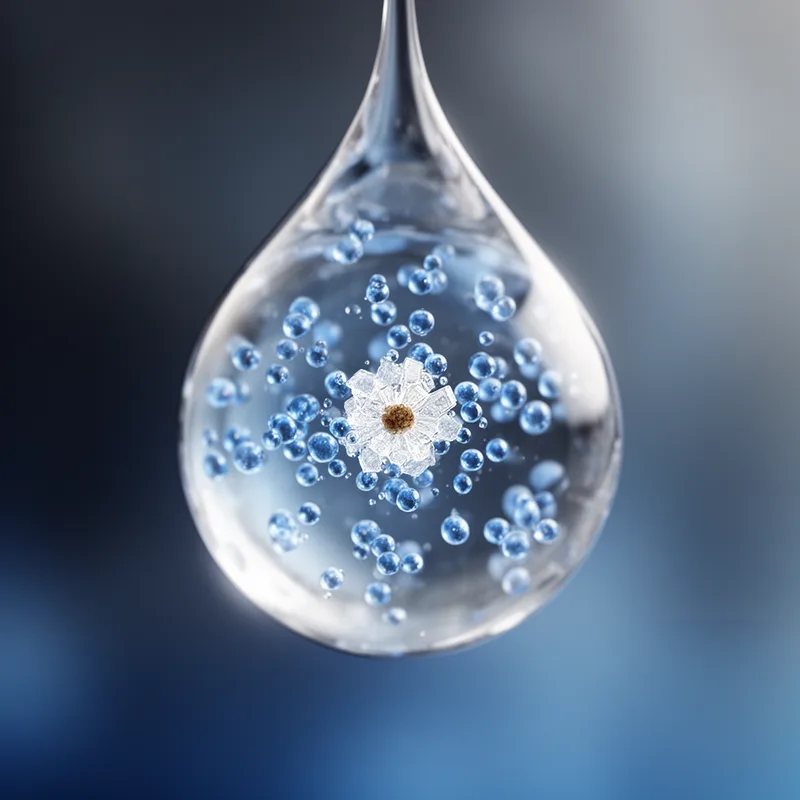
nucleation
 1
8.2
1
8.2

- noun
- /ˌnjuːkliˈeɪʃən/
- Specialized
- The expansion leads to the nucleation of vapor cavities in the melt.
- nucleation effect
Loading YouTube…
Watch on YouTubeAnd the ionized points in that space then form nucleation points for this liquid.
- And the ionized points in that space then form nucleation points for this liquid.
- If you twist this metal plate, you create a nucleation seed and that will turn the liquid into a solid.
- This is random nucleation of bubbles, each bubble being at a different point in the landscape.
Examples
-
This is random nucleation of bubbles, each bubble being at a different point in the landscape.
-
Studies by Sidney Coleman of Harvard University suggested that such a phase transition would occur by means of nucleation.
Academic text (1992) -
What they do is create ice nucleation sites outside of their cell.
-
So they saw basically the nucleation of pure diamonds just just under pressure.
-
So you will have the first isolated nucleation sites from where bubbles will start rising.
-
And what that does is it creates a shock point and it creates a little nucleation site for water to start forming.
-
If you twist this metal plate, you create a nucleation seed and that will turn the liquid into a solid.
-
And the ionized points in that space then form nucleation points for this liquid.
-
Yet at present, the nucleation of interdisciplinary research seems to depend too much on serendipity.
Academic text (2007) -
Bubbles form at nucleation sites, such as imperfections in glass.
How Crystalline
- Specialized
61
3.6

- Specialized
- Specialized
1
8.2
- Specialized
Surface Forms
Morphology
nucleation = nucleate (semi-transparent) = nucle + ation
The word is a regular nominalization of 'nucleate', but its scientific sense is specialized enough that the meaning is only partly predictable for many learners.
Etymology
Nucleation comes from the Latin nucleus, which means 'kernel' or 'small core' and is the same root as nuclear. So, nucleation is like a tiny seed or kernel forming that starts a new crystal, drop, or structure.