
nongravitational


 1
8.1
- adjective
- /nɒnˈɡrævɪˌteɪʃənl/
- US
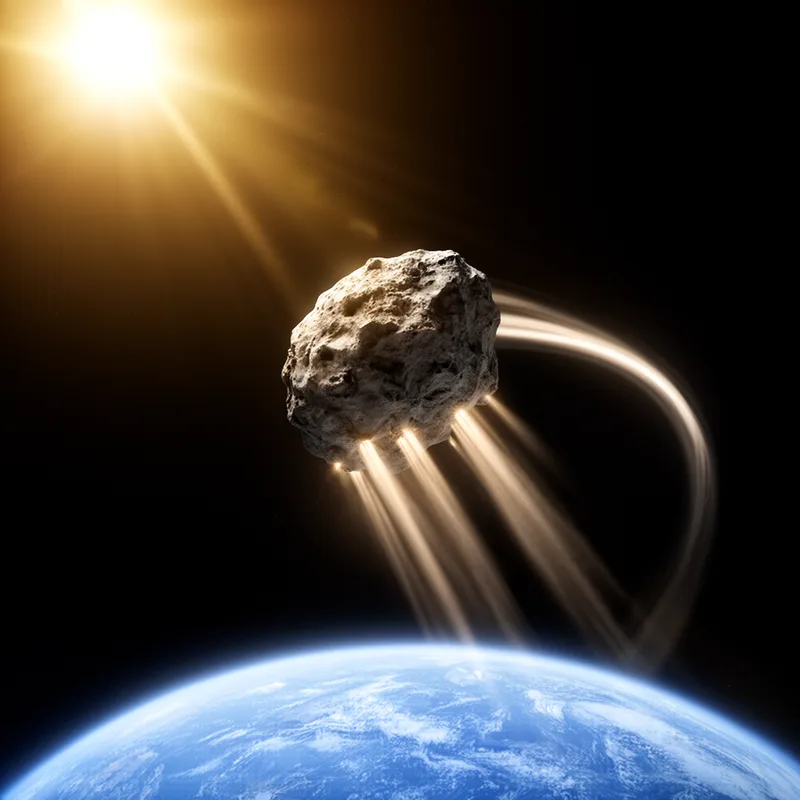
- Nongravitational accelerations, caused by the comet's jets, can significantly affect its trajectory.
- nongravitational force
Examples
-
Historical records of Halley's comet are revealing the effects of nongravitational perturbations, such as the jets of material that spray out from the surface of the comet.
Academic text (1996) -
They provide the basis for the extremely successful standard model, a theory of the fundamental, nongravitational forces of nature—the electromagnetic, weak, and strong interactions.
Academic text (1995) -
Nongravitational forces, such as the geysers of material that deflect many comets from their orbits, make the long-term integration of such orbits too uncertain.
Academic text (1996) -
Scientists are studying nongravitational interactions that influence the motion of celestial bodies.
-
The impact of nongravitational forces on spacecraft trajectory is a critical area of research.
Antonyms

Surface Forms
Morphology
nongravitational = gravitational (transparent) = non + gravity + al
The adjective is formed by straightforward negation (non-) of 'gravitational'; 'gravitational' itself is a clear adjective related to 'gravity' + -al.
Etymology
Nongravitational is non- 'not' plus gravitational, which comes from gravity, a word that once meant 'heaviness'. So nongravitational describes forces or effects that are 'not caused by gravity'.