
mycosis


 1
9.5
1
9.5
- noun
- /maɪˈkoʊsɪs/
- Specialized
- Neutropenia was the only statistically significant difference found between patients with and without pulmonary mycosis.
- mycosis lesions
- oral mycosis
- diagnosis of mycosis
Examples
-
He was treated for mycosis after being exposed to moldy environments during his research.
-
The doctor diagnosed her with a rare form of mycosis that affected her skin and nails.
-
We present two patients with mycosis fungoides of the tongue.
Academic text (2007) -
We report two cases of mycosis fungoides of the tongue.
Academic text (2007) -
Both patients had advanced tumor stage mycosis fungoides when they each developed a single tongue lesion.
Academic text (2007) -
The most common reported sites of oral mycosis fungoides involvement are the tongue and palate.
Academic text (2007) -
Although oral mycosis fungoides lesions have been rarely reported in the literature, incidental autopsy findings indicate a higher occurrence.
Academic text (2007) -
Biopsy of both patients' tongue lesions revealed mycosis fungoides of the tongue, which often portends poor prognosis.
Academic text (2007) -
Oral lesions appear to be a late manifestation of mycosis fungoides that arise, on average, eight years after the onset of cutaneous symptoms.
Academic text (2007) -
Histologically, the oral lesions of mycosis fungoides resemble the cutaneous lesions.
Academic text (2007)
Synonyms
 5
3.1
5
3.1
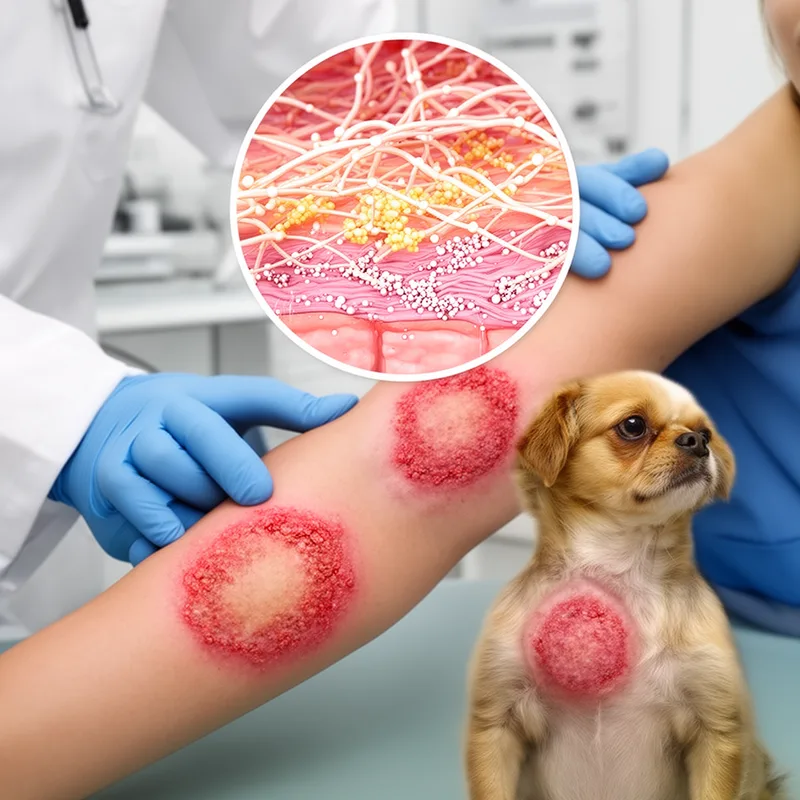
An illness a fungus causes in the body, often on the skin or nails
Antonyms


Surface Forms
Morphology
mycosis = myco + osis
Formed from the bound combining form 'myco-' (fungus) plus the bound medical suffix '-osis' (disease); both elements are technical bound morphemes unfamiliar to a B1 learner, so the meaning is not predictable from common English vocabulary.
Etymology
The word mycosis comes from the root myco- meaning 'fungus' and the ending -osis meaning 'disease' or 'condition', so it names an illness caused by fungi. Think of the tiny fungi that make mushrooms or mould, which can cause this kind of infection.