
to move through
 80
2.1
80
2.1

- phrasal verb
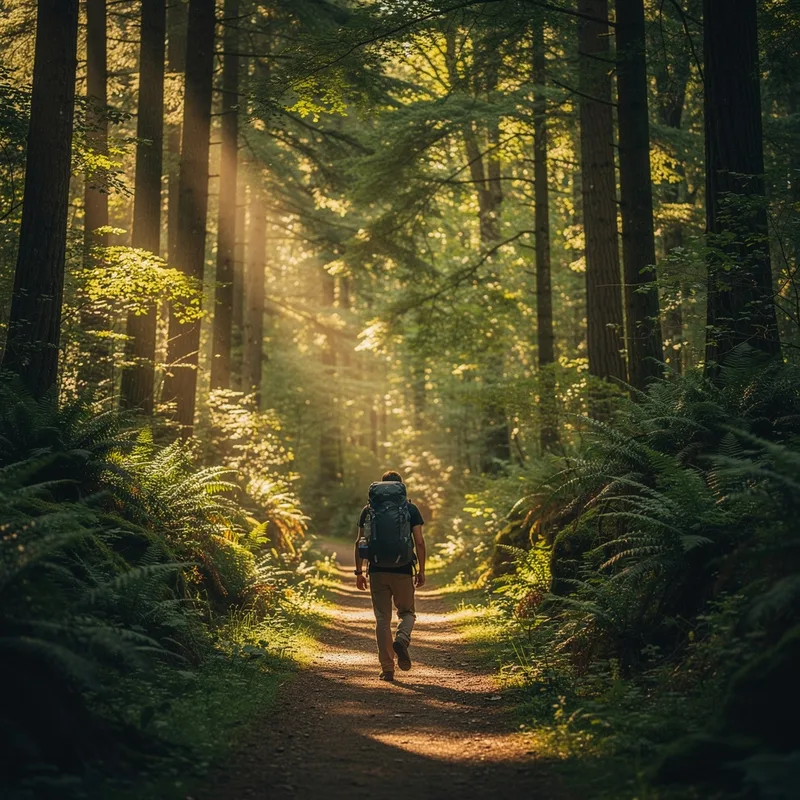
- The hikers moved through the forest, following the narrow trail.
- move through the stages
- move through the system
- move through the city
Loading YouTube…
Watch on YouTubeSo the Earth is also moving through this ether.
- So the Earth is also moving through this ether.
- When did you start moving through the ranks, Peter?
- consciousness and the form that consciousness takes when it moves through the brain,
- I'm, I'm trying to figure out how we, how we can move through this world together.
- It's energy moving through a medium, but the speed is different.
- And that's not, that's not the way I should move through this world.
- You get to watch them move through phases of life, through relationships.
- In fact, nicotine has this remarkable ability to move through that fatty tissue.
- No, their time would be faster, but then they're moving through space faster.
- And now the light pulse slowly moves through the medium.
- OK, I'll try and move through my list pretty quickly.
- So actually that ball will be moving through X&Y;.
- Expeditions move through the land to confiscate church property.
Examples
-
A spreadsheet keeps data for each pile as it moves through the process.
Academic text (1999) -
School administrators and SWPBIS teams should be patient as they move through the stages of implementation.
Academic text (2015) -
And consider what happens when we move through space, like walking down the street.
-
The only way to keep in front of this thing, is to keep moving through the woods.
-
You get to watch them move through phases of life, through relationships.
-
Now it moves freely through the system.
-
Looking out, he could see the two Land Cruisers moving south through the park.
Fiction book (1990) -
Two women and three men, all moving confidently through the press in the open square.
Fiction book (1991) -
The software tracks each pile and its composition as material moves through the plant.
Academic text (1999) -
We move through the mine, inch by inch, until we find Amon.
Synonyms
 ∞
1.0
∞
1.0
To move past something or someone
 ∞
1.0
∞
1.0
To go across something from one side to the other
 255
2.7
255
2.7
To travel through a place without stopping for long
 100
3.3
100
3.3
Move across something like a river or mountain
 53
1.8
53
1.8
Move from one side to the other, for example across a road or river
 49
3.8
49
3.8
To move through something from one side to the other
 8
3.2
8
3.2
To go through a place like a park to make a shorter route
 4
3.9
4
3.9
Move forward by getting past people or things blocking the way
 3
4.2
3
4.2
To move people or goods through a place on the way to another
 3
6.8
3
6.8
To walk slowly through a place without a clear purpose


 1
7.4
1
7.4
To move forward with difficulty through people or things with effort

Move forward through a crowd by forcing people aside with your body

To move from one side of a tissue or blood vessel wall to the other
Antonyms

How Quickly
- UK
 1
2.7
80
2.1
255
2.7
155
2.5
1
2.7
80
2.1
255
2.7
155
2.5
Surface Forms
Morphology
The meaning 'to pass from one side, part, or area to another' is directly and transparently derived from combining the motion verb 'move' with the preposition 'through', which signals passage across or within an area. This motion verb + preposition pattern is common cross-linguistically and follows standard compositional semantics, so a B1 learner who knows both constituents will readily infer the MWE meaning.
Etymology
Move through comes from a simple picture: one thing moves through a place, like a hiker walking through a forest or a parade going through a street. So it now means 'to pass from one side, part, or step to another', for example a proposal 'moving through' committees.