
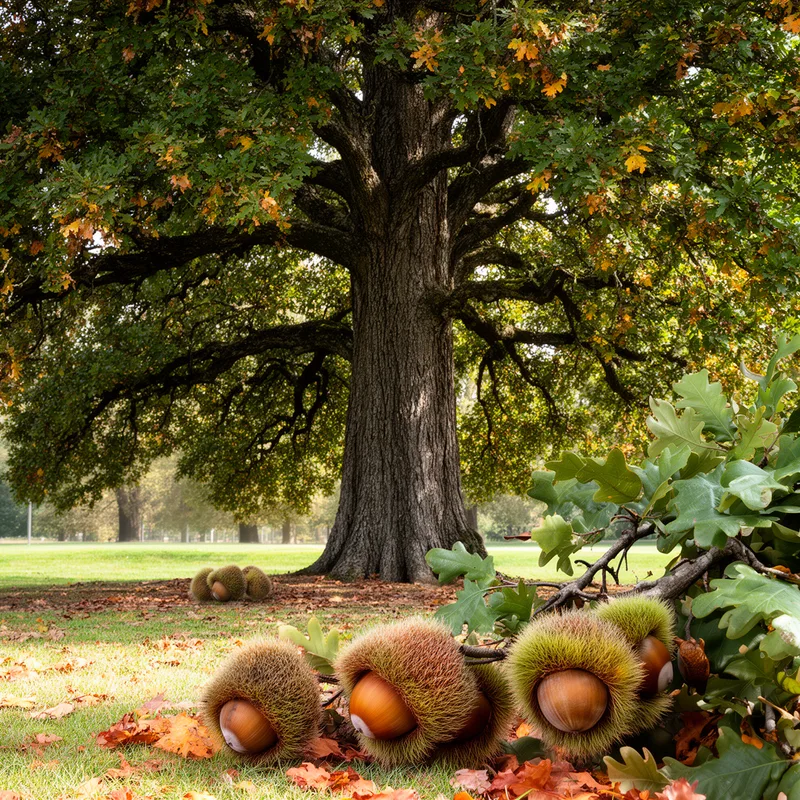
mossycup oak
- noun
- /ˈmɔsiˌkʌp oʊk/
- US
- He identified the tree by its large, fringed acorn cups, a sure sign it was a mossycup oak.
Examples
-
Carpenters prized the durable wood of the mossycup oak for making furniture and flooring.
-
The massive mossycup oak in the park provides plenty of shade during the summer.
-
The mossycup oak is known for its unique acorns.
-
Many mossycup oaks grow in the forests of Missouri.
-
Carpenters prized the durable wood of the mossycup oak for making furniture and flooring.
-
He identified the tree by its large, fringed acorn cups, a sure sign it was a mossycup oak.
-
The massive mossycup oak in the park provides plenty of shade during the summer.
Synonyms
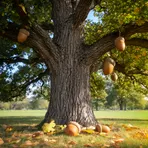
A large oak tree from North America that loses its leaves, with very big acorns and thick rough bark

A medium to large North American tree with acorns in deep fringed cups

A large oak tree from central and eastern North America with thick bark and fringed acorn cups
Surface Forms
Morphology
mossycup + oak
The name is transparently analyzable as mossy + cup + oak: an oak whose acorn 'cups' are mossy or covered in moss-like scales. This modifier+noun compound follows regular English word-formation patterns, so a B1 learner who knows 'mossy', 'cup' and 'oak' would readily infer it refers to an oak with mossy acorn cups.
Etymology
Mossycup oak comes from the look of its acorns: each acorn sits in a large, fringed cup that looks mossy and like a small cup on the tree. So, the name simply describes an oak with acorns in 'mossy cups'.

