
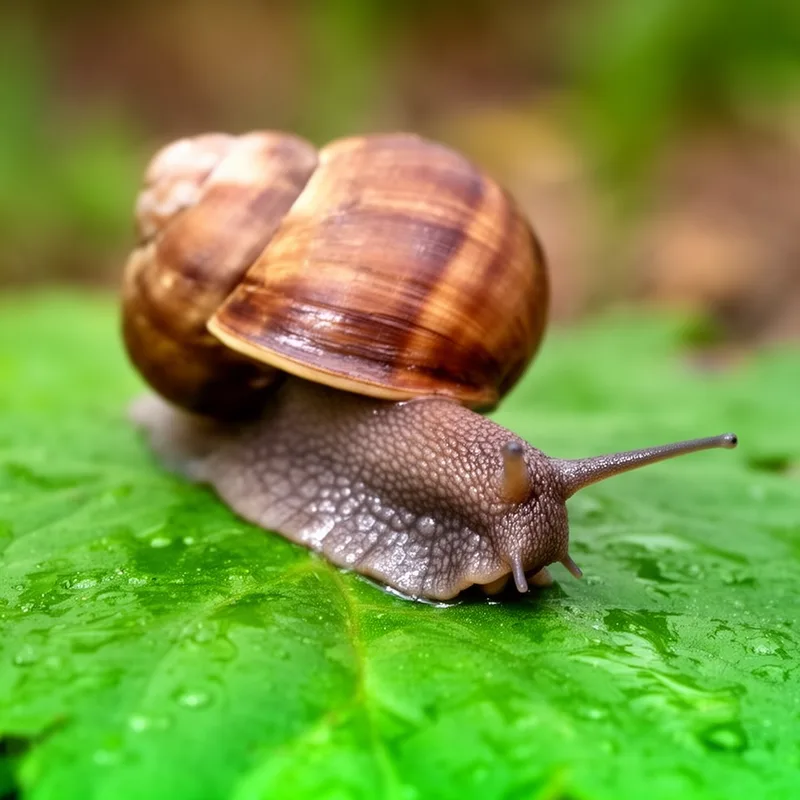
mollusk
 11
5.6
11
5.6

- noun
- /ˈmɑləsk/
- US
- The rays decimated the mollusk population and destroyed the mussel and scallop industry.
- mollusks and crustaceans
- mollusks and fish
- gastropod mollusks
Loading YouTube…
Watch on YouTubeYou know, a building is much like a shell is to a mollusk.
- You know, a building is much like a shell is to a mollusk.
- The rays decimated the mollusk population and destroyed the mussel and scallop industry.
- So when it comes to mollusks, you know where to go.
- I don't care if you get this from seafood, from mollusks, from shellfish, from poultry, from wild game, from red meat.
Examples
-
Tridacna costata, as the mollusk is known, was once abundant in the Red Sea but now is endangered.
Academic text (2009) -
And within this massive group, we find the bivalves, a class of mollusk which include clams, oysters, mussels, and scallops.
-
One species of mollusk may have been placed in danger of extinction by Agent Orange.
Academic text (1990) -
We have also found small freshwater mollusks that probably lived in the streams.
Academic text (1994) -
Information regarding mollusks in the Gulf of Fonseca was provided by government officials.
Academic text (1996) -
These mollusks are only recently hatched, yet they're as large as the adult.
-
"Caulerpa essentially ruins conditions for a whole host of marine animals, such as small mollusks," says Anderson.
Academic text (2001) -
As a group, cormorants primarily eat fish, but will also eat crustaceans, mollusks, and small amphibians.
Academic text (2009) -
The sediment also holds the remains of sea creatures, such as mollusks and foraminifera, meaning that repeated tsunamis may have been the culprit.
Academic text (2011) -
Mollusks such as clams and snails are commonly found in both freshwater and marine environments.
Synonyms

A large group of animals without backbones that have soft bodies, often with shells like snails, clams, squids and octopuses
Compounds

- Specialized
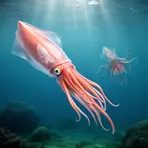
A sea animal with a large head, big eyes, and many arms with suckers like an octopus or squid
Surface Forms
Etymology
Mollusk comes from the Latin root mollis, which means 'soft', and it names animals with soft bodies like snails, clams, and octopuses. You can also see the same root in mollify, which means 'to soften', so that helps remember the meaning.