
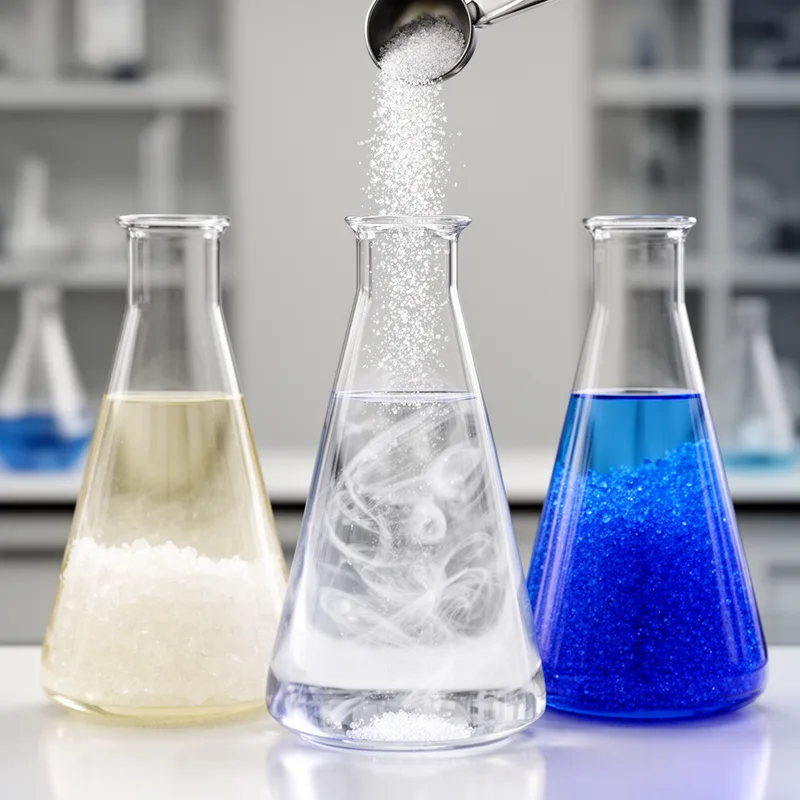
molarity
- noun
- /moʊˈlærɪti/
- Specialized
- To prepare the solution, first calculate the molarity by dividing the number of moles of solute by the volume of the solution in liters.
Examples
-
In chemistry class, we learned that the molarity of a solution determines how many moles of solute are present per liter.
-
The overall units are molarity over time.
-
Remember, little brackets means concentration, molarity, OK?
-
"Postmodernism, in other words, distinguished itself from its predecessor precisely by declaring its independence from molarity.
Academic text (2001) -
Many of the Excel students began the class without some of the problem-solving skills (e.g., calculating molarity and pH and solving genetics problems) that other students had acquired in high school.
Academic text (1993) -
Even Yeats, Eliot, and Pound themselves, in the modernist twilight of the late thirties and after, may have seen molarity as a delusive and impossible goal.
Academic text (2001) -
The molarity of the hydrochloric acid solution was measured at 0.5 M, indicating its concentration.
Synonyms
 101
4.0
101
4.0

Amount of a substance in a liquid or solution
 3
9.4
3
9.4
A measure of how much of a substance is in a liquid, for example antibodies in the blood
Amount of a substance dissolved in one liter of solution measured in moles per liter
How Concentrated
- Specialized

- Specialized
101
4.0
Surface Forms
Morphology
Etymology
Molarity comes from mole, a chemistry unit meaning 'a fixed large number of tiny particles', and the ending -arity, which shows a 'measure' or 'state'. So molarity is the measure of how many 'moles' are in one liter of solution, which is why it tells you how concentrated the solution is.