
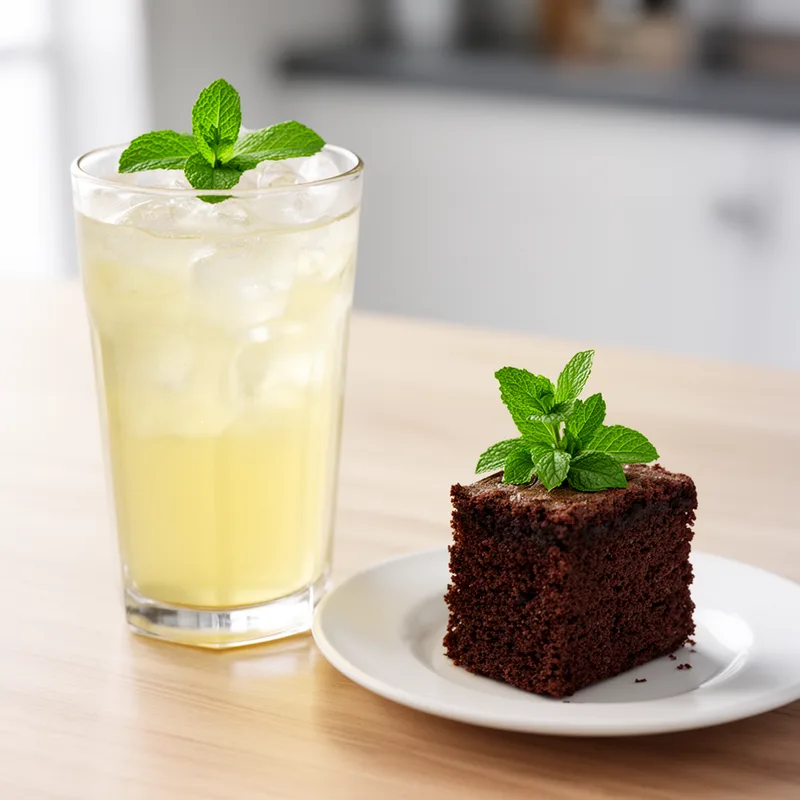
mint garnish
- noun
- /mɪnt ˈɡɑrnɪʃ/
- She placed a mint garnish on top of the fruit salad before serving.
Examples
-
The chef added a fresh mint garnish to the dessert.
-
A cool drink with a mint garnish is especially refreshing on a hot day.
-
The chocolate cake was finished with a mint garnish for a fresh and colorful look.
-
For the cocktail, please use a mint garnish.
-
The cocktail was beautifully presented with a sprig of mint garnish on the rim of the glass.
-
For the dessert, add a mint garnish to enhance its flavor and visual appeal.
-
He decorated the salad with a fresh mint garnish to add a pop of color and a refreshing taste.
Synonyms

 108
1.0
108
1.0

A plant with strong smelling leaves used to flavor food
 48
3.2
48
3.2
A small food item added to a dish to decorate and add flavor
 1
1.0
1
1.0
A small stem with mint leaves used to add flavor or decoration to food and drinks
How Big

Surface Forms
Morphology
The meaning is directly and transparently derived from combining 'mint' (an herb) with 'garnish' (a small edible decoration): it refers to a garnish made of mint. This simple noun+noun composition follows regular English compounding patterns and is cross-linguistically common, so a B1 learner who knows both words would readily understand it.
Etymology
The phrase mint garnish comes from the kitchen habit of placing a small mint sprig on top of a dish as a garnish to make it look fresh and give a minty taste. So mint garnish means a little sprig of mint used to decorate and add flavor to food or drinks.