
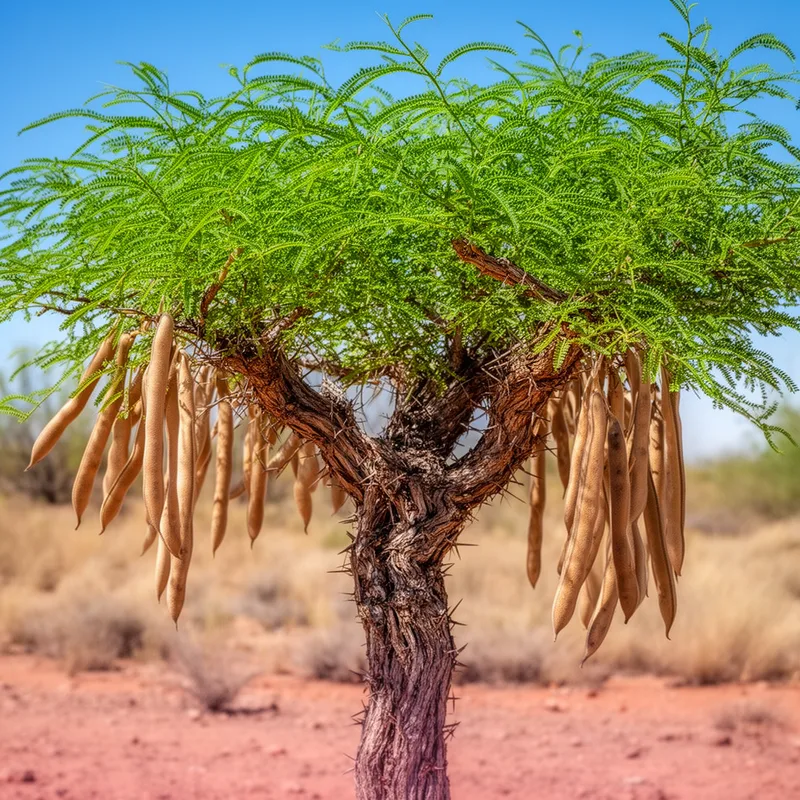
mesquite
 8
8.7
8
8.7

- noun
- /mɛsˈkiːt/
- US
- The mesquite tree is well-known for its sweet seed pods that are a food source for local wildlife.
- mesquite tree
- large mesquite
Loading YouTube…
Watch on YouTubeBut it says that it's collected from bees whose primary forage source is nectar and pollen from Mesquite trees.
- But it says that it's collected from bees whose primary forage source is nectar and pollen from Mesquite trees.
Examples
-
Tasty fish and meat cooked right over mesquite.
-
Sunday Milton slept under the mesquite until evening, when he rode to the Box-J.
Fiction book (1990) -
In the darkness outside my window, I could see the mesquite tree standing still.
Fiction book (1993) -
Once, someone planted a small mesquite tree, but it soon died.
Fiction book (1991) -
Tethering the horse to a mesquite, Milton sat in the sand.
Fiction book (1990) -
Rodrigo seemed amazed that the mesquite beans were so helpful.
Fiction book (1995) -
Wanting to hunt, but tired of navigating through the mesquite, I decided to walk down my favorite sendero.
Fiction book (1997) -
Another Texan, from Callahan County, said, "In West Texas... we have outdoor barbeques out under mesquite trees."
Academic text (2003) -
Our delicious lunch will be mesquite-grilled chicken, salad, potatoes or rice (cook's choice) and a vegetable.
Academic text (1994) -
Ipa tiptoed forward and cautiously laid a bundle of mesquite bean pods in front of the animal, then stepped back.
Fiction book (1995)
Synonyms
A small spiny tree that grows in dry places and makes sweet pods
Trees and shrubs like mesquite that grow in hot dry places
Compounds

- Specialized
A natural sticky sweet substance from mesquite tree pods used in food and products

A thorny small tree with deep roots that makes sweet pods eaten by farm animals

- Specialized
A small tree or shrub from the dry southwestern United States and Mexico that makes spiral seed pods

A thorny small tree with deep roots that grows in dry areas and has sweet pods used as animal feed
Surface Forms
Etymology
Mesquite comes from Spanish mesquite, which in turn comes from the Nahuatl word mizquitl meaning 'thorny tree'. So English kept the local name for the desert tree and for its strong, smoky wood used in cooking.