
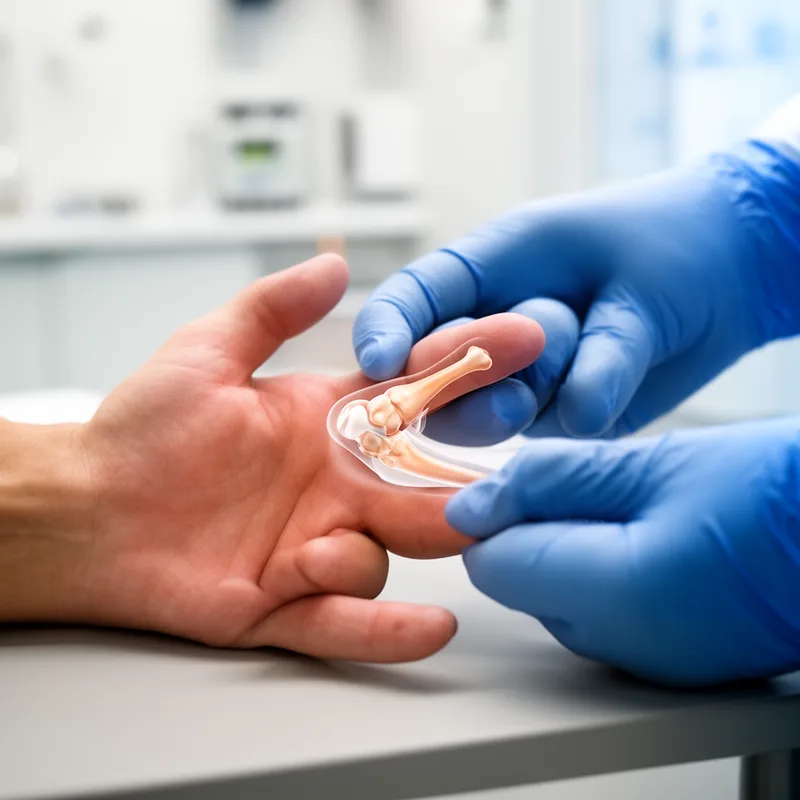
to luxate
- verb
- /ˈlʌk.seɪt/
- Specialized
- Surgeons had to carefully manipulate the joint after it luxated during the procedure.
Loading YouTube…
Watch on YouTubeShe has hips, dysplasia, rotating patellas, luxating patellas.
- She has hips, dysplasia, rotating patellas, luxating patellas.
Examples
-
The force of the accident caused her shoulder to luxate, requiring immediate medical attention.
-
He luxated his shoulder during the game.
-
If you luxate your finger, it's important to seek treatment to prevent further injury.
-
The doctor said it is easy to luxate a knee.
-
He luxated his shoulder during the basketball game last night.
-
After falling from the bike, she felt her knee luxate at an awkward angle.
-
The doctor explained that if the bone continued to luxate, surgery might be necessary.
Synonyms

 36
7.2
36
7.2

To move out of its normal position, often causing pain
 34
6.5
34
6.5
To move a bone out of its normal place in a joint
How Dislocated

Surface Forms
Morphology
luxate = lux + ate
The verb is a learned Latin-derived formation: the root 'lux' is not a productive standalone English word meaning 'dislocate', and the suffix '-ate' is a learned verb-former, so an average learner cannot derive the meaning from familiar English components.
Etymology
Luxate comes from the Latin verb luxare, which meant 'to put out of place' or 'loosen'. So, it describes moving a bone or joint out of its normal place, which is why to luxate means to 'dislocate' a joint.