
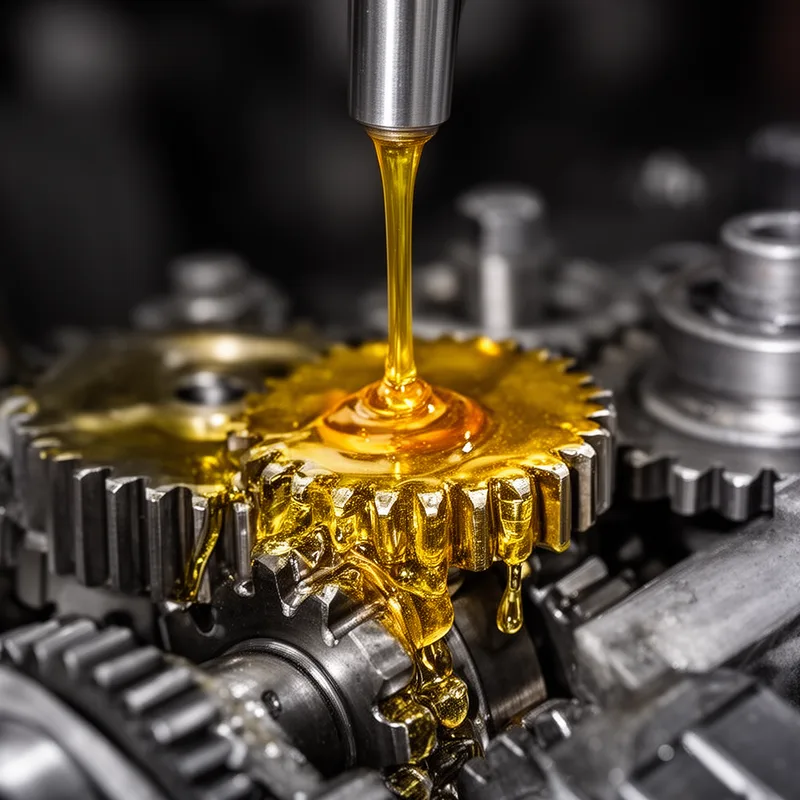
lubrication
 9
4.2
9
4.2

- noun
- /ˌluːbrɪˈkeɪʃən/
- Specialized
 :
lubricación
:
lubricación
- The system distributes lubricant to each lubrication point without stopping the machine.
- lubrication system
- lack of lubrication
- lubrication process
And it will help reduce that dryness, increase lubrication, prevent recurrent UTI's.
- And it will help reduce that dryness, increase lubrication, prevent recurrent UTI's.
- What they can assess is their level of lubrication, if sex hurts and if they get an orgasm.
- So as estrogen rises and falls, so will your lubrication.
- Now the spinal cord, areas that control things like erection, vaginal lubrication, ejaculation and orgasm, those have also been mapped out.
- So it could be vaginal lubrication, day old sperm.
- And then there's actual lubrication, which you're a big, big, big fan of.
- Correlation between hormone levels and and lubrication.
Examples
-
Whale meat was used for human consumption, and whale oil was used for lighting, lubrication, and soap.
Academic text (1994) -
"Apply a few drops to achieve desired lubrication."
-
Sometimes it needs some lubrication.
-
There is some indication of increased lubrication.
-
Direct contact without lubrication won't please your bride.
-
You know, science has made incredible advancements in personal lubrication.
-
The advent of railroads was clearly an important driving force in the development of lubrication technology.
Academic text (1998) -
And so I think that the music in that context serves as an additional layer of social lubrication for people to connect and converse.
-
Circulating oil systems provide continuous lubrication of large industrial bearings under dirty and corrosive conditions.
Academic text (2002) -
To ensure smooth operation, regular lubrication of the machinery is essential.
How Thorough
4
4.7

- Specialized
9
4.2
Surface Forms
Morphology
Etymology
Lubrication comes from the Latin root lubricus, which means 'slippery', and it shares the same root as lubricate and lubricant. So lubrication is the act of making parts 'slippery' or smooth so they move easily and reduce friction.