
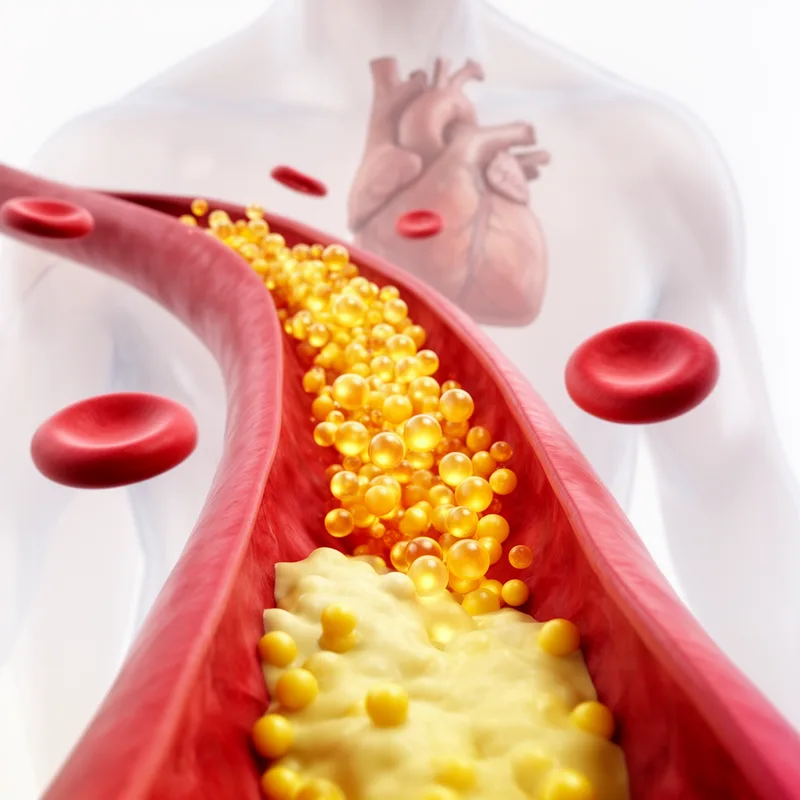
low-density lipoprotein
 1
5.1
1
5.1

- noun
- /loʊ ˈdɛn.sɪ.ti ˌlaɪ.pəˈproʊ.tin/
- Specialized
- Cholesterol guidelines recommend drug therapy for groups with progressively lower low-density lipoprotein levels, despite very high NNTs and a lack of evidence of benefit of drug therapy as primary prevention.
- low-density lipoprotein (LDL)
- low-density lipoprotein cholesterol
- low-density lipoprotein levels
Loading YouTube…
Watch on YouTubeSo LDL cholesterol stands for low density lipoprotein.
- So LDL cholesterol stands for low density lipoprotein.
Examples
-
High levels of low-density lipoprotein are associated with an increased risk of heart disease.
-
Large-scale population studies suggest that around the time of menopause, low-density lipoprotein cholesterol (LDL-C) levels increase by approximately 15-25%, placing women at significantly higher risk of heart disease.
Academic text (2012) -
And then today what we're focused on is how does the low density lipoprotein get taken up by the liver?
-
So APO B and low density lipoproteins are just, they're just the necessary.
-
What's the relationship to saturated and trans fats is that they increase the low density lipoprotein in preference to the high density.
-
So if you had low levels of triglyceride and slightly elevated LDL cholesterol, low density lipoprotein, this was a marker for longevity.
-
LDL, low density lipoprotein is the boat that carries cholesterol and LDL is bad, but we should really say LDL is the bad lipoprotein.
-
The RCP suggests a different target and emphasizes the importance of low-density lipoprotein (LDL) cholesterol as well as total cholesterol (Box 1).
Academic text (2011) -
HDL = high-density lipoproteins; LDL = low-density lipoproteins. LDL Cholesterol > 100 Optimal 100-129.
Academic text (2014) -
Doctors often recommend tests to check your low-density lipoprotein cholesterol levels regularly.
Synonyms
 11
3.7
11
3.7
Small particles in the blood that carry cholesterol and raise heart disease risk when high

A blood particle that carries cholesterol and is linked to higher heart disease risk
Antonyms

- Specialized
A part of the blood that carries cholesterol and helps lower heart disease risk
Surface Forms
Morphology
low-density + lipoprotein
The phrase is fully compositional: the adjective 'low-density' (having lower density) modifies 'lipoprotein' (a protein that carries lipids), so the meaning is simply a lipoprotein with low density. This adjective+noun pattern is a standard, cross-linguistically transparent composition, so a learner who knows the constituent meanings can infer it denotes a type of lipoprotein with lower density even if they lack detailed medical knowledge about its risks.
Etymology
The noun low-density lipoprotein comes from its parts: lipoprotein is a little package that carries fat and protein in the blood, and low-density means the package is not tightly packed. Imagine slow, loose carriers that leave fat on the inside of blood vessels, so people call it 'bad cholesterol' and high levels are linked to heart disease.