
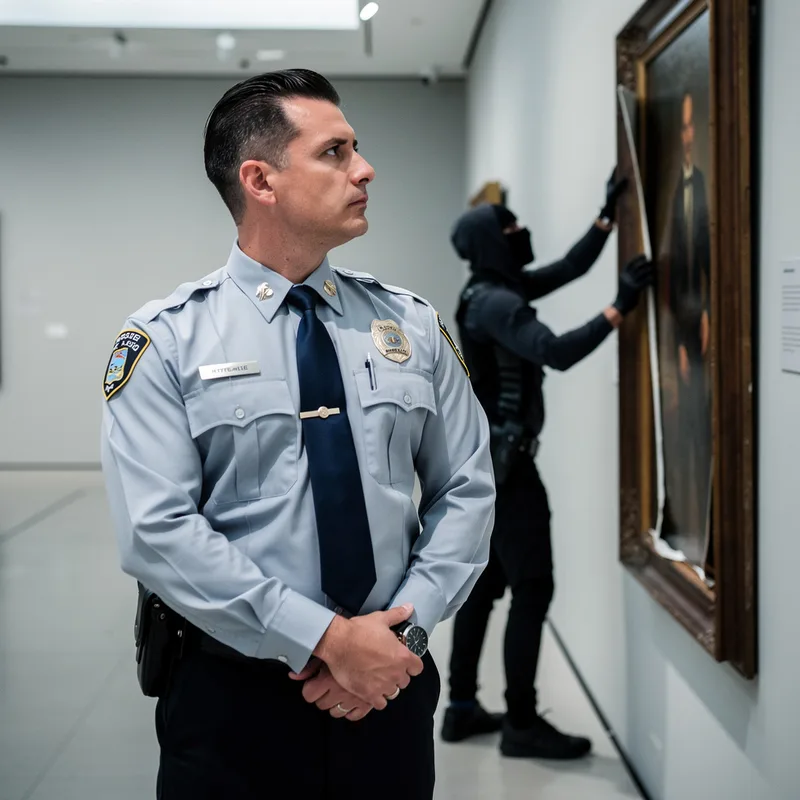
to look the other way
 69
4.7
69
4.7

- phrasal verb
- The manager chose to look the other way when he discovered the employee was stealing supplies.
- seem to look the other way
Loading YouTube…
Watch on YouTubeYou just kept looking the other way, pushing past it kept going.
- You just kept looking the other way, pushing past it kept going.
- In their zeal to bring down the Italian mafia, they look the other way.
- What about all the collaborators who just looked the other way?
- So I say tonight, we will not shy away from this, we will not be silent, we will not look the other way.
- They are the Germans in Germany that saw this language, that heard this language and willfully look the other way.
- The report also states that both victims reported the incidents to CPAC execs, but no action was taken as officials look the other way.
Examples
-
And the police did nothing? Everyone just kind of looked the other way.
Fiction book (2000) -
In cases like these, Song Lee simply had to look the other way.
Fiction book (2000) -
I paid you to look the other way.
-
Or you could just look the other way.
-
Then you can look the other way.
-
Charlie never learned to look the other way.
-
How much is it gonna take for you to look the other way like you have all your life?
-
Well, look the other way then.
-
You were terrified you were gonna be the next target, so people looked the other way.
-
But when I found out what was going on, I said we just can't look the other way.
Academic text (2007)
Synonyms
 ∞
1.0
∞
1.0
Choose not to pay attention to someone or something
 243
2.9
243
2.9
To not notice someone or something you should see
 125
2.2
125
2.2
Turn your eyes away from a person or thing that makes you uncomfortable
 119
3.9
119
3.9
Ignore something or someone on purpose
 41
5.4
41
5.4
Choose to ignore something wrong
 38
5.9
38
5.9
To ignore a small mistake to avoid an argument
 28
4.1
28
4.1
To ignore someone or something on purpose
 27
3.9
27
3.9
Treat something as unimportant and ignore it
 25
5.0
25
5.0
To turn your eyes or face away to avoid something unpleasant
 15
3.7
15
3.7
To refuse to have anything to do with someone or something
 13
4.5
13
4.5
Ignore a person or thing because you think they are not important
 7
4.1
7
4.1
Refuse to think about something, for example worries or objections
 5
5.6
5
5.6
To act as if you do not see something to avoid making someone feel embarrassed
 5
7.7
5
7.7
To ignore a problem instead of dealing with it
 4
6.1
4
6.1
Refuse to listen to someone who gives advice or warnings
 1
6.0
1
6.0
To avoid answering a difficult question by changing the subject
 1
4.7
1
4.7
To ignore someone you meet by pretending not to see them
 1
5.9
1
5.9
Avoid looking at someone or something on purpose

To ignore an obvious problem and pretend it is not there

To ignore or hide problems instead of dealing with them
Antonyms


How Involved

Surface Forms
Morphology
The phrase literally describes directing one’s gaze away (look + the other way), so a learner who knows the constituents can readily infer the metaphorical sense of deliberately ignoring something. The spatial-to-social mapping (averting gaze = ignoring) is a common, cross-linguistic metaphor and follows standard compositional patterns, making the expression transparent to B1 learners.
Etymology
The phrase look the other way comes from the simple image of someone turning their head so they do not see something bad, for example a guard who looks the other way while a thief steals. That's why it means 'to ignore something wrong on purpose'.