
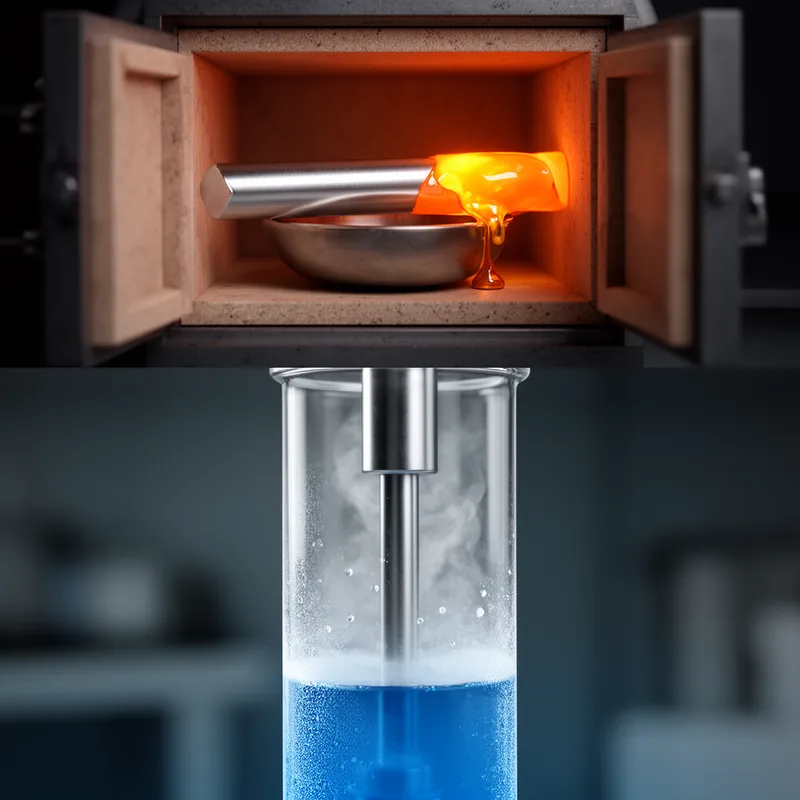
liquefiable
- adjective
- /ˈlɪkwəˌfaɪəbl/
- Specialized
- The gas is liquefiable under high pressure and low temperature.
Examples
-
Not all solids are liquefiable with common laboratory methods.
-
Certain metals become liquefiable when heated to extreme temperatures.
-
Some substances are liquefiable when heated.
-
The material is liquefiable at high temperatures.
-
The substance becomes liquefiable when subjected to intense heat.
-
Only certain chemicals are liquefiable through compression in a controlled environment.
-
To create a liquid form, the material must be liquefiable by heating.
Synonyms
Able to change into a liquid when the temperature or pressure changes
Can change from a gas to a liquid when cooled or under pressure
Surface Forms
Morphology
Etymology
The word liquefiable comes from liquefy ('to make liquid') plus the ending -able ('can be'). It shares the same root as liquid, so a liquefiable thing is one that 'can be turned into a liquid', which explains what the word means today.

