

lipoprotein
 3
5.9
3
5.9

- noun
- /ˌlaɪpəˈproʊtiːn/
- Specialized
- Doctors recommend maintaining a healthy level of lipoprotein to reduce the risk of heart disease.
- density lipoprotein
- lipoprotein cholesterol
- low-density lipoprotein
Loading YouTube…
Watch on YouTubeAnd many people think of these lipoproteins as cholesterol.
- And many people think of these lipoproteins as cholesterol.
- Cholesterol is the cargo, lipoproteins are the boat.
- And you know, there the most people know, they hear about lipoprotein, they hear about LDL or HDL.
- Your high density lipoprotein is a little low.
- The most dangerous is lipoprotein insulin resistance.
- APOB refers to the lipoprotein, the singular lipoprotein wrapped around an LDL particle.
- So I think everybody should get checked for lipoprotein A everybody.
Examples
-
Doctors order lipid panels to understand the concentrations of different kinds of lipoproteins and their building blocks in your blood.
-
And so next time you get a blood test, add an LP little A or lipoprotein A and an apo BI.
-
Your high density lipoprotein is a little low.
-
So this lipoprotein can bind to the receptor.
-
And many people think of these lipoproteins as cholesterol.
-
Judd's recent study assessed the effects of black tea consumption on blood lipid and lipoprotein concentrations in adults with mildly high cholesterol.
Academic text (2003) -
Regular blood tests can help measure different types of lipoprotein and assess cholesterol levels.
-
High-density lipoprotein is often called 'good' cholesterol because it helps remove fat from the bloodstream.
Compounds
- Specialized
1
5.1
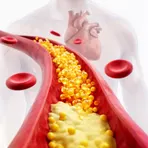
A small particle in the blood that carries cholesterol and increases heart disease risk when levels are high

- Specialized
A blood particle that carries cholesterol and is linked to higher heart disease risk

- Specialized
A particle in the blood that carries cholesterol and helps protect the heart

- Specialized
A part of the blood that carries cholesterol and helps lower heart disease risk

- Specialized
A blood particle that carries fat from the liver to body tissues and can become LDL cholesterol
How Atherogenic

Surface Forms
Morphology
Etymology
Lipoprotein joins the parts lipo- meaning 'fat' and protein meaning 'a body molecule'. So a lipoprotein is a protein that carries fats in the blood, which is why doctors look at different lipoproteins when they measure cholesterol.