
lewisite


 1
9.9
- noun
- /ˈluːɪˌzaɪt/
- NSFW
- Researchers studied the long-term health impacts of lewisite on affected populations.
Examples
-
Is lewisite still used in modern warfare?
-
Soldiers wore protective gear to avoid exposure to lewisite during training exercises.
-
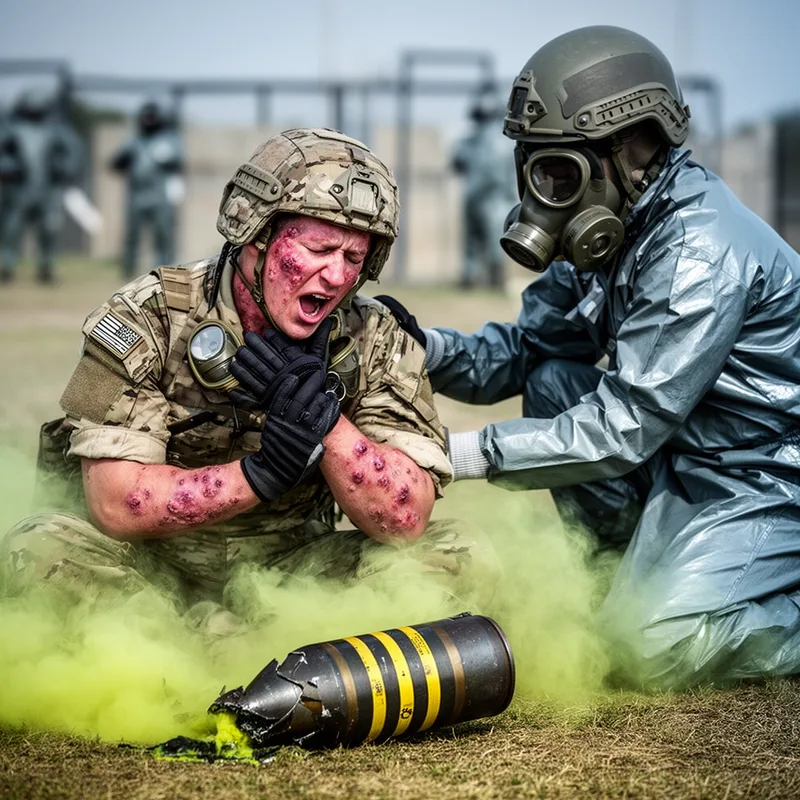
The effects of lewisite include severe skin blisters and respiratory problems.
-
The military stockpiled lewisite during World War I.
-
Exposure to lewisite can lead to painful blisters on the skin and severe lung damage.
-
In chemical warfare, lewisite is feared for its ability to incapacitate and inflict long-lasting harm.
-
The remnants of lewisite from past conflicts remain a threat to both the environment and public health.
Synonyms
 1
9.9
A harmful chemical that causes severe blisters on skin and damages eyes and lungs, often used as a weapon
Surface Forms
Morphology
Etymology
The word lewisite is named after the American chemist Winford Lee Lewis, who discovered this poisonous chemical. It causes 'blisters' and other injury, so the name is simply the discoverer's name for the blister agent.