

legged
 81
2.9
81
2.9

- adjective
- /ˈlɛɡɪd/
- Come here, you furry, four-legged chickens!
- four-legged
- long-legged
- three-legged
Loading YouTube…
Watch on YouTubeSo it's a legged robot or even just a thing.
- So it's a legged robot or even just a thing.
- I've been I happen to have a lot of legged robots.
- But the three legged table is the mind body soul.
- That's the spider legged thing that lands on the Plaza of Naboo.
- Captain Quint's boat from Jaws as a custom legged Lego kit.
- Three legged dogs and here's how you know a good pattern break.
- It had long legs in the front but was short legged in the back.
- You can wear this with leggings, with tights, bare legged, with really cute little flip flops or sandals.
Examples
-
The heavier of the detectives took a wide-legged stance in front of Paul's chair.
Fiction book (1993) -
The hotel welcomes four-legged guests, including dogs and cats.
-
But the three legged table is the mind body soul.
-
And her name is long Legged Ruby.
-
OK, it's a three-legged race, but run as if you had two!
-
What the hell was I to do with a two-legged horse, you may ask yourself?
-
Maybe a four legged animal with antlers, like maybe a moose.
-
When one of the legs of a three-legged stool is chopped off, it falls to the ground.
Academic text (1990) -
At the shelter, they have many four-legged friends looking for a home.
-
The race featured a fun three-legged competition that everyone enjoyed.
Synonyms
 19
4.0
19
4.0
Having legs or small supports that touch the ground
 8
2.4
8
2.4
Having three legs, like a stool or an animal
 6
4.6
6
4.6
A person or animal with long legs compared to the rest of the body
 3
2.8
3
2.8
Having legs that are longer than the rest of the body
 2
6.5
2
6.5
Having four legs for walking
 1
3.4
1
3.4
An animal that has four feet, like a dog or horse


 1
6.4
1
6.4
With arms or legs, often used to describe people with long ones
 1
4.2
1
4.2
Having legs that are straight, not bent or curved

A person or animal with long legs

A thing like a chair or bird with long, thin legs that look delicate
Antonyms

Compounds
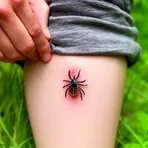
A small tick found in eastern North America that bites people and can give them Lyme disease


- Specialized
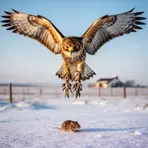
A large Northern hawk with feathered legs that hunts small animals like mice


- Specialized
A tick in the western United States that bites people and spreads Lyme disease
How Many Legs

Surface Forms
Morphology
Etymology
Legged comes from the simple word leg ('limb you stand on') plus the ending -ed ('having'), just like in winged or armed. So legged is used after a number or description to mean 'having' that kind or number of legs, as in six-legged, long-legged, or three-legged.