

layfolk
- noun
- /ˈleɪˌfoʊk/
- The conference aimed to bridge the gap between experts and layfolk interested in environmental issues.
Examples
-
Prediction after prediction that I read in the popularized science for layfolk book Hothouse Earth by John Gribbin, written years before Gore wrote Earth in the Balance, have come about as predicted.
Blog text (11) -
The workshop was designed to help layfolk understand the basics of astronomy.
-
The task assigned to them was probably a response to two problems: widespread dissatisfaction among Anglican layfolk with the conduct of Anglican vestrymen and the continued election of non-Anglicans to parish vestries.
Academic text (1996) -
These layfolk, according to the abbot, understood that a sanctuary ought not to be profaned—but that meant that outsiders ought not to overturn the saint's powers of sanctuary.
Academic text (2018) -
Many layfolk appreciated the author's explanations of complex scientific ideas.
Synonyms

 43
4.9
43
4.9

A person who is not an expert in a subject
 14
4.9
14
4.9
A person who does not have special knowledge or training in a subject
 10
7.2
10
7.2
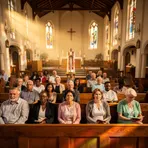
People in a church who are not its leaders
 1
5.8
1
5.8
A person who is not a member of the clergy
Antonyms


How Expert

Surface Forms
Morphology
Etymology
Layfolk comes from the parts lay ('not a priest or specialist') and folk ('people'), and is like the word layman. So layfolk means ordinary people who are not experts or members of the clergy.