
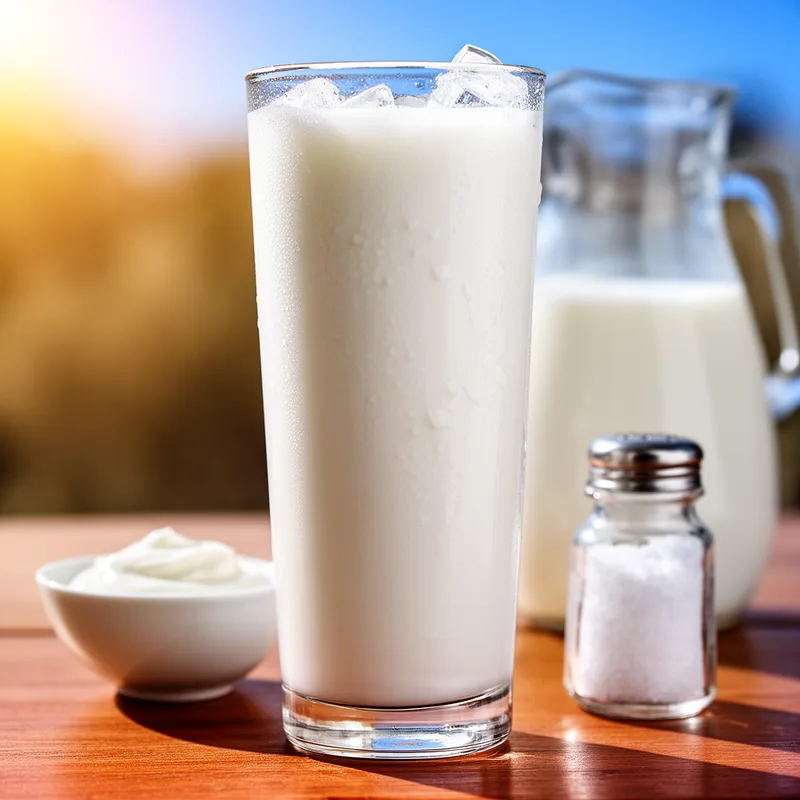
laban
- noun
- /ˈlæbən/
- Intensive study of the work of Gardner and Laban provides foundational support for work that moves in this direction.
Examples
-
In these instances, music teachers can draw from Laban-based movements to help students develop a kinesthetic response to music.
Academic text (2015) -
Working in central Europe in the first half of the twentieth century, Rudolf Laban described all movement in terms of the four core elements of flow, weight, space, and time.
Academic text (2014) -
"Rachel the shepherdess, daughter of Laban, wife of Jacob, mother of Joseph and Benjamin."
Fiction book (1990) -
We present instructional strategies for movement through Laban's concepts of flow, weight, space, and time.
Academic text (2014) -
For one dancer, Rudolf Laban's concepts may feel familiar kinesthetically and be learned readily.
Academic text (1993) -
Laban's work starts from a profound understanding of kinesthesis, the basis of what Gardner calls bodily-kinesthetic intelligence.
Academic text (1993) -
On hot summer days, I enjoy a refreshing glass of laban after a long walk.
-
The restaurant served delicious kebabs alongside a cool yogurt-based laban.
-
To complement the spicy dishes, we ordered a bowl of laban to cool our palates.
Synonyms

 2
5.2

A cold thick drink from India made with yogurt and water, often with fruit or spices
 1
6.7
A sour drink made by fermenting milk or water with small grains that contain live bacteria and yeast

 1
9.9
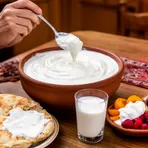
A thick yogurt from Armenia and the Caucasus that people eat or drink
 1
9.9
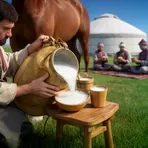
An alcoholic drink from central Asia made by fermenting mare's milk
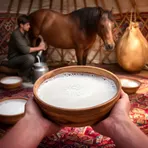
A fermented alcoholic drink made from a female horse's milk
How Thick

Surface Forms
Etymology
Laban comes from Arabic laban, which simply means 'milk' or 'buttermilk'. So laban is literally named for its milk base — a cold, slightly sour milk drink, which makes the name easy to remember.