
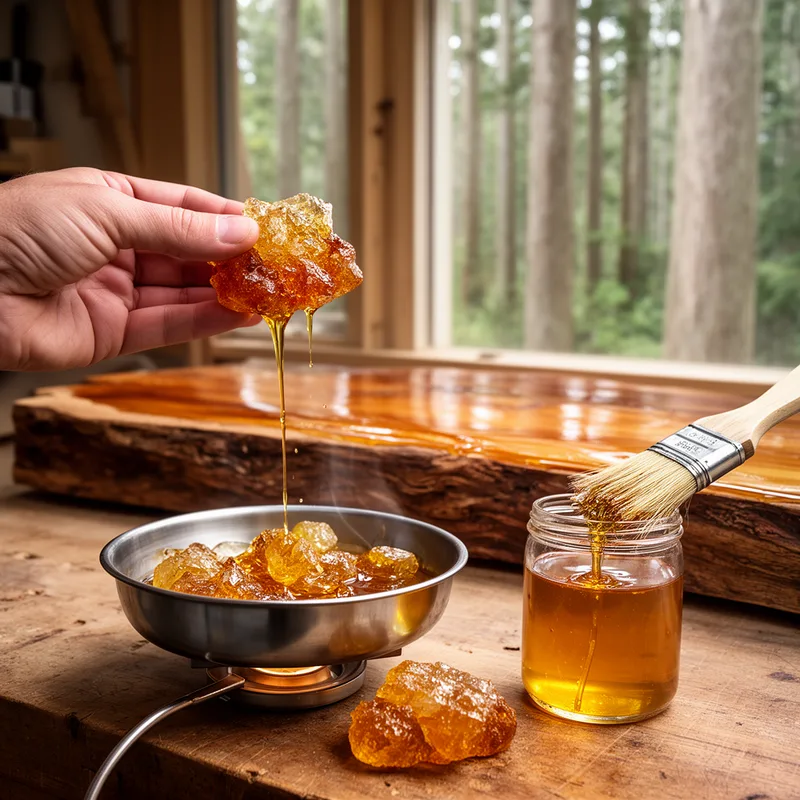
kauri copal
- noun
- /ˈkaʊəri ˈkoʊpəl/
- New Zealand
- Artisans value kauri copal for its excellent properties in making varnishes and linoleum.
Examples
-
The museum exhibited a large piece of kauri copal dating back thousands of years.
-
Kauri copal is prized for its clear finish.
-
Artisans value kauri copal for its excellent properties in making varnish.
-
Much of the world's kauri copal comes from ancient deposits in New Zealand.
-
The artist used kauri copal in her latest painting.
-
Much of the world's kauri copal is sourced from ancient deposits found in New Zealand.
-
The museum displayed a large piece of kauri copal that dates back thousands of years.
Synonyms
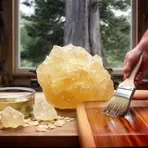
A hard pale material from a large New Zealand tree used to make varnish
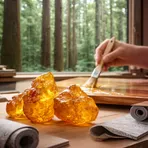
A hard sticky substance from kauri trees in New Zealand used to make varnish and linoleum

A fossil resin from New Zealand trees used to make varnish and linoleum
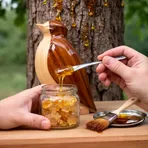
A sticky natural substance from the courbaril tree used to make varnish and glue

A sticky natural substance from Australian trees that dissolves in alcohol and helps make varnish and stronger paper

A resin from some Australian trees that dissolves in alcohol and helps make varnish and paper
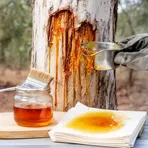
A sticky natural substance from some Australian trees that makers use for varnish and paper

A natural resin from Australian trees used to make varnish and paper

A yellow sticky substance from some Australian trees used to make varnishes and paper
Surface Forms
Morphology
Etymology
Kauri copal is hardened sticky sap from old kauri trees, and copal is a word for tree resin. Imagine bright sap that slowly becomes hard in the ground, like a small piece of amber. People used this shiny, strong material to make 'varnish' and protect surfaces, so today kauri copal means that hardened resin used for 'varnish' and similar products.

