
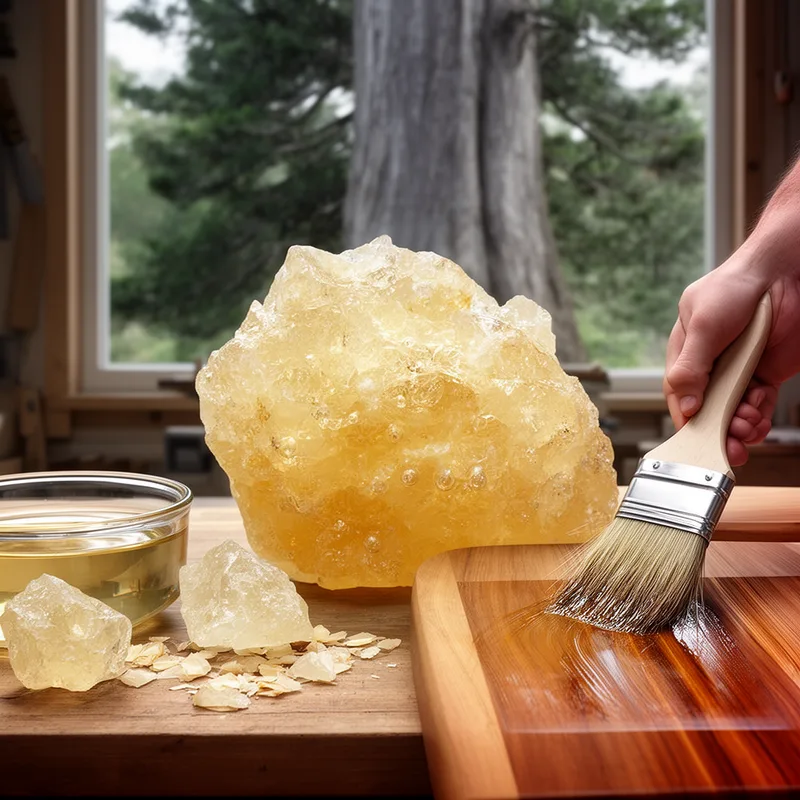
kauri resin
- noun
- New Zealand
- The museum showcased an ancient piece of kauri resin excavated from a New Zealand forest.
Examples
-
Chunks of fossilized kauri resin are sometimes collected by beachcombers along the coast.
-
The artist used kauri resin to finish her sculpture.
-
Artisans in the 19th century prized kauri resin for its use in high-quality varnishes.
-
Is kauri resin more durable than other types of resin?
-
The pale color of kauri resin makes it a popular choice for high-end varnishes.
-
Fossilized kauri resin can be found in various geological collections around the world.
-
Artists often appreciate the durability of kauri resin when crafting their linoleum prints.
Synonyms

A fossil resin from New Zealand trees used to make varnish and linoleum

A hard, sticky material from old New Zealand kauri trees that people use to make varnish
A hard sticky substance from kauri trees in New Zealand used to make varnish and linoleum

A natural sticky resin from tropical trees used to make varnish

A sticky material some plants make, like amber, that people use in varnish and glue
Surface Forms
Morphology
The compound simply names the resin produced by the kauri tree: 'kauri' specifies the source and 'resin' names the substance, so the overall meaning is directly derivable from the parts. Although 'kauri' is a specialized lexical item, if a learner already knows both constituents the noun–noun composition is straightforward and cross-linguistically transparent.
Etymology
Kauri resin comes from the sticky sap of the big New Zealand kauri trees. That resin hardened into pale, fossil lumps people found on beaches and used to make 'varnish' and 'linoleum', so today the name means that hard tree resin.

