

kaffir corn


 1
9.7
- noun
- Archaic
- Farmers in the region prefer to plant kaffir corn because it thrives in dry conditions.
Examples
-
Livestock are often fed kaffir corn due to its high nutritional value.
-
The long, sawtooth leaves distinguish kaffir corn from other cereal crops.
-
Farmers often grow kaffir corn for livestock feed.
-
Did you know that kaffir corn can thrive in dry climates?
-
Farmers in the region prefer to plant kaffir corn because it thrives in dry conditions.
-
Livestock are often fed kaffir corn due to its high nutritional value.
-
The long, sawtooth leaves distinguish kaffir corn from other cereal crops.
Synonyms
 1
8.8
A grain plant grown for its seeds used for food for people and animals
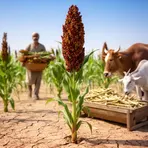 1
5.8
A grain plant like corn grown for people and animals that can grow in dry places
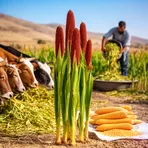
A type of grain plant grown for food and animal feed
Surface Forms
Morphology
The noun–noun combination simply labels a variety of cereal by qualifying 'corn' with 'kaffir' (a drought‑resistant sorghum), so a learner who knows both constituent meanings can infer it refers to a type of sorghum/corn used for food or feed. This is a regular, compositional naming pattern (type-of X), common across languages, making the sense directly derivable from the parts.
Etymology
Kaffir corn comes from the word kaffir, originally meaning 'non-believer' and used by early settlers for some African people. They later used the word for this grain, but because it became an insult, people today prefer the plain name 'sorghum'.