

isobilateral
- adjective
- /ˌaɪsoʊbaɪˈlætərəl/
- Specialized
- Unlike dorsiventral leaves, isobilateral leaves have symmetrical upper and lower surfaces.
Examples
-
Grasses typically possess isobilateral leaves, which facilitates efficient photosynthesis on both sides.
-
An isobilateral structure can be seen in the butterfly's wings.
-
The scientist observed an isobilateral arrangement of cells in the plant tissue.
-
The isobilateral design of the building impresses visitors.
-
Grasses typically possess isobilateral leaves, which facilitates efficient photosynthesis on both sides.
-
Unlike dorsiventral leaves, isobilateral leaves have symmetrical upper and lower surfaces.
-
An isobilateral structure can be seen in the butterfly's wings, showcasing its symmetry.
Synonyms

 25
4.1
25
4.1

A shape or object that has matching parts on both sides when you cut it down the middle
 6
4.3
6
4.3
The same on both sides when split down the middle
 2
5.7
2
5.7
Having the same parts on both sides of a middle line, like a leaf or face
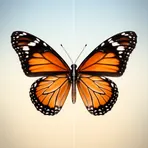
Having two matching halves on each side of a middle line
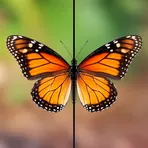
The left and right sides of a body or object match each other
Surface Forms
Morphology
Etymology
Isobilateral breaks into iso- 'equal', bi- 'two', and lateral 'side'. So an isobilateral structure has two sides that are the same, like a leaf that looks alike on the top and the bottom.