
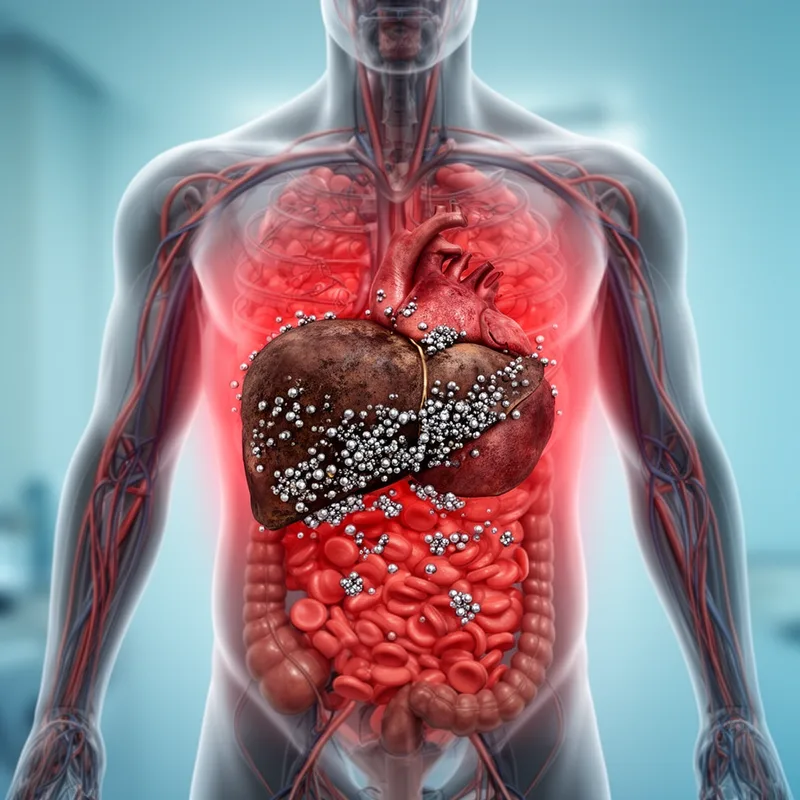
iron overload
- noun
- /ˈaɪərn ˈoʊvərˌloʊd/
- Specialized
 :
sobrecarga de hierro
:
sobrecarga de hierro
- Adults are generally able to tolerate large doses of oral iron without toxic effects, unless the iron overload is persistent and unavoidable (e.g., regular and frequent blood transfusions).
- iron overload condition called hemochromatosis
Examples
-
Iron overload becomes a problem with these lifelong transfusions because there is no natural way for the body to eliminate iron, and as the iron in the transfused blood builds up, "iron overload" becomes toxic to tissues and organs, particularly the liver and heart, which can result in early death from organ failure.
Academic text (2003) -
Iron chelators also hold the most promise for clinical intervention since they are already commonly used clinical agents in cases of iron overload.
Academic text (1998) -
It inhibits ferritin, induces a massive iron overload, instant hemochromatosis.
-
Iron overload becomes a problem with these lifelong transfusions because there is no natural way for the body to eliminate iron, and as the iron in the transfused blood builds up, "iron overload" becomes toxic to tissues and organs, particularly the liver and heart, which can result in early death from organ failure.
Academic text (2003) -
Iron overload occurs when excessive iron builds up in the body, potentially leading to serious health issues.
-
A patient diagnosed with iron overload must monitor their dietary iron intake to prevent complications.
-
Regular blood tests can help detect iron overload early, allowing for timely medical intervention.
Synonyms
 2
9.9
2
9.9

A condition in which too much iron builds up in the body and damages organs like the liver
A condition where too much iron builds up in the body and damages organs
An inherited condition that makes the body store too much iron and can damage organs

A condition passed down in families where too much iron builds up in the body and harms organs
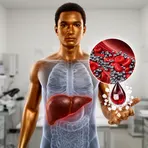
A rare condition where too much iron builds up, causing bronze skin, high blood sugar, and liver damage

An abnormal build up of iron in body tissues that happens after bleeding or blood transfusions
Antonyms

- Specialized
1
3.2
A health condition when the body lacks iron, making you tired and pale
How Severe
- Specialized

- Specialized
1
3.2
Surface Forms
Morphology
The meaning 'excess iron in the body' is directly and compositionally derivable from combining 'iron' (the element or substance) with 'overload' (too much burden). This noun–noun compound follows a productive pattern for indicating an excess of a substance (similar to 'water overload' or 'oxygen overload'), so a B1 learner who knows both constituents would likely infer the intended medical meaning.
Etymology
Iron overload comes from a simple image: iron is the metal and overload means 'too much weight'. Imagine the body as a cart carrying too much iron and starting to break, so iron overload means having too much iron in the body's tissues, which can damage organs.