
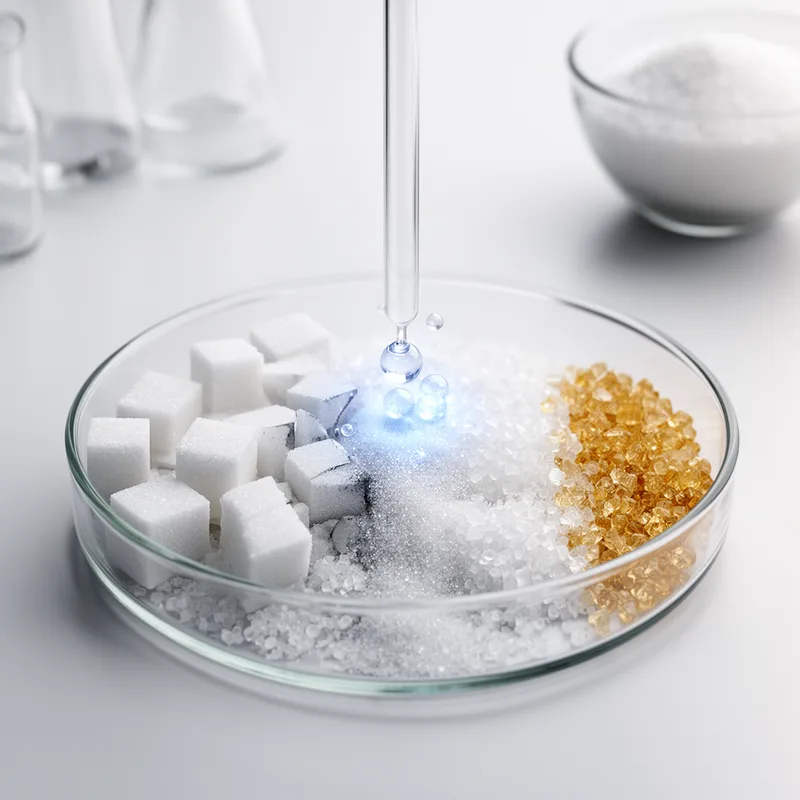
invertase
- noun
- /ɪnˈvɜrteɪs/
- Specialized
- The action of invertase converts sucrose into glucose and fructose during digestion.
Examples
-
Researchers extracted invertase from yeast cells for use in various food applications.
-
Many plants produce invertase to help with sugar metabolism.
-
Bakeries often use invertase to improve the sweetness and texture of confectioneries.
-
The enzyme invertase is crucial for sugar production.
-
Bakeries often use invertase to improve the sweetness and texture of confectioneries.
-
Researchers extracted invertase from yeast cells for use in various food applications.
-
The action of invertase converts sucrose into glucose and fructose during digestion.
Synonyms


 1
8.4
A protein in the body that breaks table sugar into two simple sugars
A protein that breaks table sugar into glucose and fructose
Surface Forms
Morphology
Etymology
Invertase comes from invert ('turn around' or 'turn over') and the enzyme ending -ase, as in lactase. So invertase is easy to remember: it 'turns' the sugar sucrose into two simpler sugars, glucose and fructose.