

to instrumentate
- verb
- /ˌɪnstrəˈmɛnˌteɪt/
- Specialized
- The composer was asked to instrumentate the opera for a chamber ensemble.
Examples
-
She skillfully instrumentated the piece to highlight the woodwind section.
-
The composer instrumentated the piece for strings and woodwinds.
-
It can be challenging to instrumentate music originally written only for piano.
-
She will instrumentate the new symphony next month.
-
The composer was asked to instrumentate the film's score for a large orchestra.
-
She plans to instrumentate her latest song for a jazz band during the summer.
-
After receiving feedback, he decided to instrumentate the arrangement for strings and brass.
Synonyms

 26
4.6
26
4.6

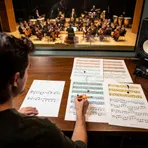
To change a song or other work so it can be performed in a new way
 4
6.8
4
6.8
To arrange music for an orchestra to play
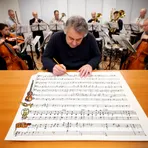
To write music so different instruments can play together

Make a song play without singing
How Orchestrated
- Specialized
4
6.8

- Specialized
26
4.6
178
3.2
Surface Forms
Morphology
instrumentate = instrument (transparent) = instrument + ate
Formed directly from the noun 'instrument' with the verb-forming suffix '-ate', so the meaning 'to arrange or provide for instruments' is predictable.
Etymology
The word instrumentate starts with instrument, which means 'musical instrument' or 'tool', and ends with -ate, which means 'to make'. So to instrumentate a piece of music is to 'make' it for instruments — to arrange or write the parts so different instruments can play it.