

inspissation
- noun
- /ɪnˌspɪsəˈreɪʃən/
- Specialized
 :
espesamiento
:
espesamiento
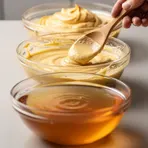
- The inspissation of the syrup occurred as it simmered on the stove, thickening with time.
Examples
-
During the experiment, the inspissation of the gel was observed as the water evaporated.
-
The inspissation process in the laboratory required monitoring the temperature and humidity levels.
-
This represents an inspissation of the order of 30-fold, requiring no further methods of statistical analysis.
Blog text (2) -
When studying the contents of ponerogenic unions skillfully enough, we often meet with an inspissation of other psychological anomalies that also speak for themselves.
Blog text (2)
Synonyms
 4
4.6
4
4.6

The process or result of something becoming more dense
 1
4.9
1
4.9
Making something smaller or more compact by reducing its volume
Antonyms

How Thick
- Specialized
1
6.8

- Specialized
- Specialized
4
4.6
Surface Forms
Morphology
inspissation = inspissate (opaque) = in + spiss + ation
The formation from the verb 'inspissate' to the noun with '-ation' is regular, but the verb and root 'spiss' are rare/technical, reducing recognizability for typical learners.
Etymology
Inspissation comes from the Latin inspissare, made of in- 'in' and spissus 'thick', and it originally meant 'making thick'. So inspissation today names the process of a liquid becoming thicker, often by losing water, like syrup reducing in a pan or mucus becoming sticky.