
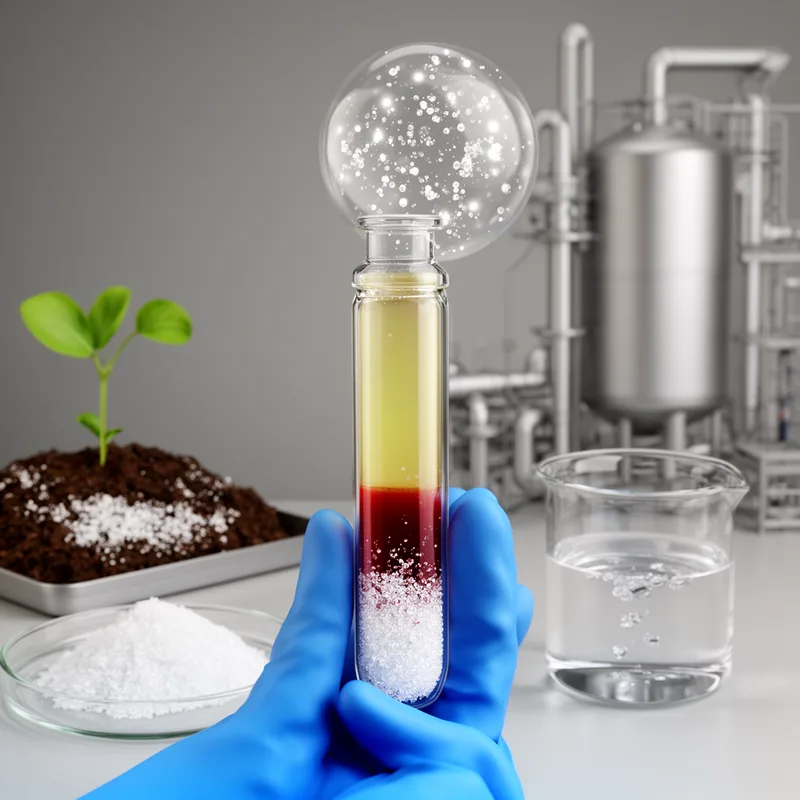
inorganic phosphate
- noun
- /ˌɪnɔrˈgænɪk ˈfɔsfeɪt/
- Specialized
- In the 13% of patients who did require calcium supplementation, however, the serum inorganic phosphate level increased from a mean of 3.8 mg/dl preoperatively to a mean of 4.5 mg/dl 24 hours after surgery.
- inorganic phosphate levels
- Serum inorganic phosphate
Examples
-
Serum concentrations of calcium, both protein-bound and free, magnesium, and inorganic phosphate were measured in all patients.
Academic text (1996) -
SeaQuest is a granular blend of complex inorganic phosphates that, when added to drinking water, both surface and ground water, will supply corrosion control for distribution systems.
Academic text (1998) -
Serum inorganic phosphate levels were also studied in all patients.
Academic text (1996) -
We also monitored inorganic phosphate and magnesium levels after thyroid surgery.
Academic text (1996) -
In 87% of patients who required no calcium supplementation, no change was seen in the level of serum inorganic phosphate.
Academic text (1996) -
In 87% of patients who required no calcium supplementation, no change was seen in the level of serum inorganic phosphate.
-
We also monitored inorganic phosphate and magnesium levels after thyroid surgery.
-
Serum concentrations of calcium, both protein-bound and free, magnesium, and inorganic phosphate were measured in all patients.
Synonyms
 20
4.0
20
4.0

A salt used in fertilizers to help plants grow and in some foods


 1
8.8
1
8.8
A simple form of phosphorus used in fertilizers and ceramics
Surface Forms
Morphology
The meaning is directly compositional: 'inorganic' (not containing carbon) modifies 'phosphate' (a salt/ester of phosphoric acid), so the phrase denotes a phosphate that is not organic. This literal modifier-noun structure is cross-linguistically common and therefore a B1 learner who knows both constituents can infer the MWE's meaning.
Etymology
Inorganic phosphate comes from two simple ideas: phosphate is the phosphorus part and inorganic means 'not made of carbon'. So inorganic phosphate is a phosphate that is not attached to carbon, which is why the term is used for the free phosphate found in blood, soil, and fertilizers.