
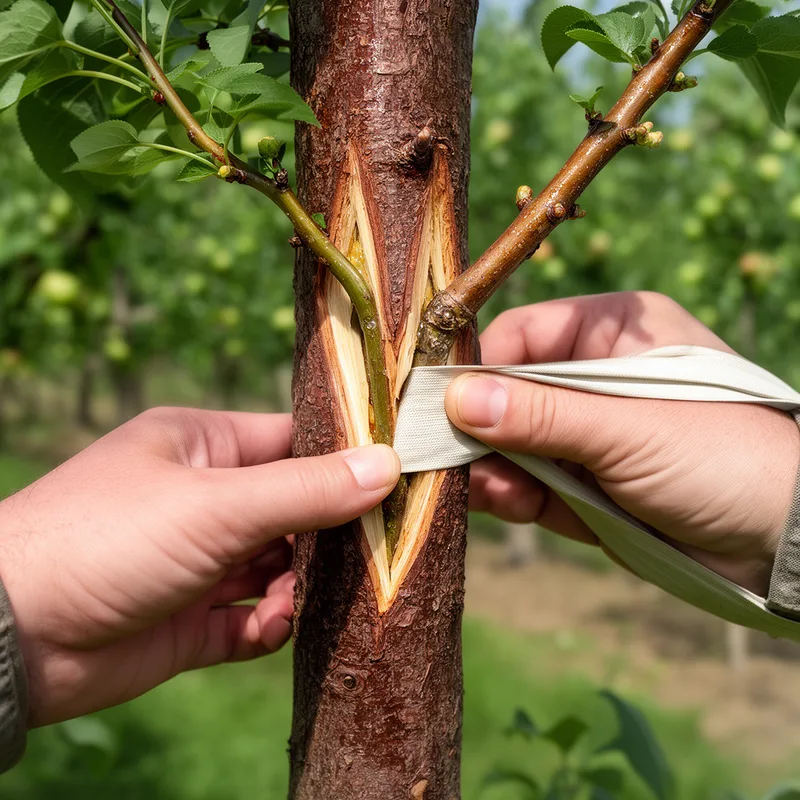
ingrafting
- noun
- /ɪnˈɡræftɪŋ/
- Specialized
 :
injerto
:
injerto
- Successful ingrafting requires precise techniques.
Examples
-
He learned about ingrafting as a method to combine different rose species.
-
The horticulturist explained the benefits of ingrafting for creating stronger fruit trees.
-
Successful ingrafting can help preserve rare plant varieties in a garden.
-
The ingrafting of new plant tissue is essential for growth.
-
The ingrafting of new branches into the tree will help it grow stronger and produce more fruit.
-
The gardener demonstrated the ingrafting technique by merging the two plants into one.
-
Successful ingrafting can lead to improved fruit quality and increased yield for farmers.
Synonyms
 7
5.5
7
5.5

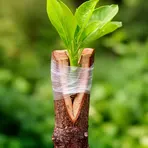
A piece of plant joined to another to grow as one
 5
6.4
5
6.4
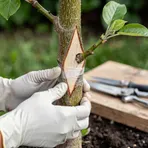
The act of joining one thing to another so they grow together, like a plant branch or skin
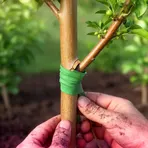
A cut from one plant that joins and grows on another plant
Antonyms
Surface Forms
Morphology
Etymology
The word ingrafting comes from in- meaning 'in' and graft, a word that means putting a shoot or small piece into a plant so it can grow there. So, ingrafting is the act of joining one part into another so it becomes part of the host, like a plant graft or a skin graft.