

incense wood
- noun
- /ˈɪnˌsɛns wʊd/
- When burned, incense wood produces a sweet, aromatic smoke that fills the room.
Examples
-
The villagers harvest incense wood from the forest to use in religious ceremonies.
-
She bought a piece of incense wood as a souvenir from her trip to the tropics.
-
The shop sells high-quality incense wood.
-
Can you smell the incense wood burning?
-
The villagers harvest incense wood from the forest to use in religious ceremonies.
-
When burned, incense wood produces a sweet, aromatic smoke that fills the room.
-
She bought a piece of incense wood as a souvenir from her trip to the tropics.
Synonyms

A tropical American tree with fragrant wood that makes gum elemi

A tropical South American tree with fragrant resinous wood
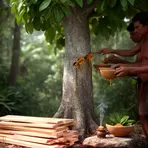
A tropical American tree with fragrant resin used for wood and traditional medicine
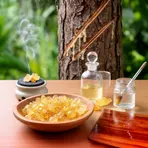
A fragrant resin from trees used in incense, varnish, and perfume

A fragrant bark from a small shrub used to make incense and health drinks
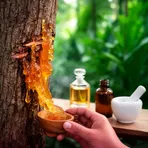
A fragrant sticky substance from trees that grow in Sumatra used in perfumes and medicine
How Fragrant


Surface Forms
Morphology
The noun phrase combines 'incense' (material burned for fragrance) with 'wood' (tree trunk material), so a B1 learner who knows both words can readily infer 'wood used as incense' or 'fragrant wood.' This is a literal, compositional pattern (modifier + noun) common cross-linguistically, making the meaning immediately accessible from the constituents.
Etymology
The noun incense wood comes from the simple image of pieces of wood that are burned like incense to make a sweet, fragrant smoke in religious ceremonies and homes, so it now means 'wood used for incense'.