

ignition lock
- noun
- /ɪɡˈnɪʃən lɑk/
- Specialized
- The mechanic explained that the ignition lock prevents anyone from starting the car without the correct key.
Examples
-
The car wouldn't start because of a faulty ignition lock that needed a new key.
-
After losing my key, I had to replace the entire ignition lock to get my vehicle working again.
-
's failed ignition lock cylinder, the Saturday-morning mechanic hoped a shortcut would trim the three-hour job, as detailed in the shop manual, down to an hour or so.
Academic text (2002)
Synonyms
 523
1.0
523
1.0

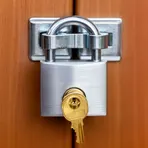
A device that holds doors or containers closed with a key
 7
6.9
7
6.9
A safety device that stops a machine from starting unless it is safe to use
 1
6.6
1
6.6
A device attached to a car that stops it being started or moved without the correct key

 1
6.6
1
6.6
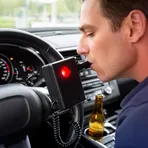
A device put in a car that prevents the engine from starting if it detects alcohol on the driver's breath

A lock you open by putting a key in and turning it
Surface Forms
Morphology
The meaning is directly derivable from combining 'ignition' (the engine start system) with 'lock' (a mechanical fastening) — i.e. a lock that prevents the ignition from being used. This is a straightforward noun–noun compound following common compositional patterns (and similar constructions exist in many languages), so learners who know both constituents will readily understand it.
Etymology
Ignition lock comes from early cars when a metal lock was fitted over the ignition, the part you turn with a key. If you did not have the right key the lock stopped the ignition from turning and 'starting' the engine, so it means 'a lock that prevents a car being started without the correct key'.