
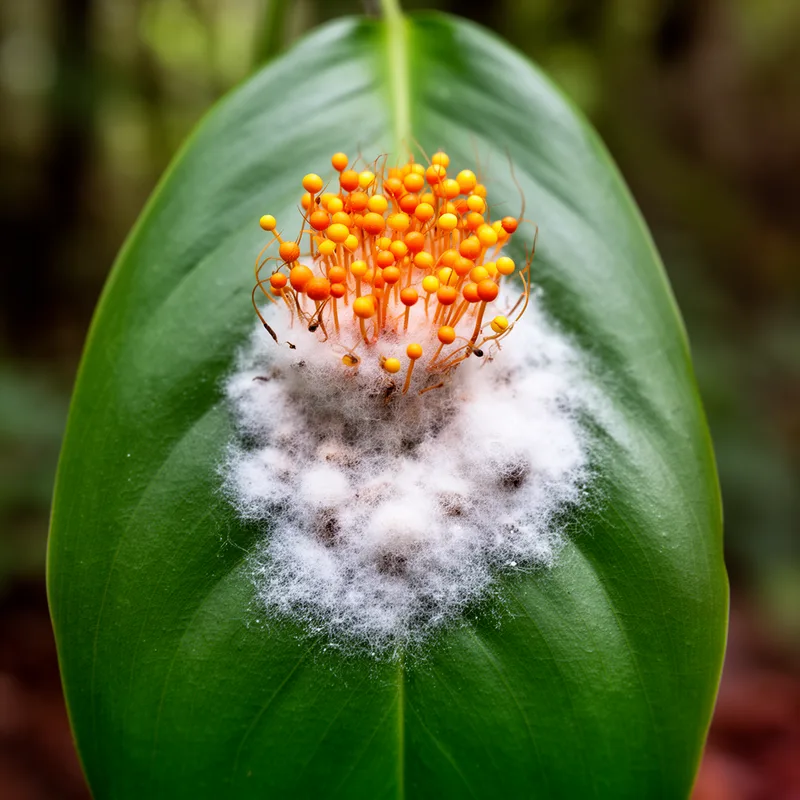
hyperparasitic


 1
9.9
- adjective
- /ˌhaɪpərˈpærəˌsaɪtɪk/
- Specialized
- Researchers study hyperparasitic relationships to understand complex food webs in ecosystems.
Examples
-
Some wasps are hyperparasitic, laying their eggs inside the larvae of other parasitic insects.
-
The hyperparasitic wasp lays its eggs inside other parasitic insects.
-
The scientist discovered a hyperparasitic fungus that attacks other parasitic fungi.
-
Some species of fungi are known for their hyperparasitic behavior.
-
Hyperparasitic wasps lay their eggs inside the larvae of other parasitic insects.
-
Some fungi are hyperparasitic, feeding off other fungi that are themselves infesting living plants.
-
The research team studied how hyperparasitic organisms can affect the populations of their hosts in ecosystems.
How Parasitic
- Specialized
1
9.9

- Offensive
11
6.6
- Specialized
1
9.9
- Specialized
1
6.4
Surface Forms
Morphology
Etymology
The word hyperparasitic combines hyper- meaning 'over' or 'too much', as in hyperactive, and parasite meaning 'a living thing that lives on another and takes food'. So hyperparasitic describes a parasite that lives on another parasite.