

hyperbetalipoproteinemia
- noun
- /ˌhaɪpərˌbeɪtəˌlaɪpəˌproʊtiˈniːmiə/
- Specialized
- The doctor diagnosed the child with hyperbetalipoproteinemia after observing extremely high cholesterol levels.
Examples
-
People with hyperbetalipoproteinemia often require early intervention to prevent cardiovascular disease.
-
Genetic counseling was recommended for the family because of their history of hyperbetalipoproteinemia.
-
Many patients have hyperbetalipoproteinemia.
-
Is hyperbetalipoproteinemia a common condition?
-
The doctor diagnosed the child with hyperbetalipoproteinemia after observing extremely high cholesterol levels.
-
People with hyperbetalipoproteinemia often require early intervention to prevent cardiovascular disease.
-
Genetic counseling was recommended for the family because of their history of hyperbetalipoproteinemia.
Synonyms
 1
8.6
1
8.6

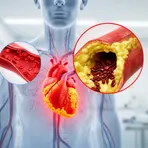
A condition in which the blood has very high cholesterol and raises the risk of heart disease
 1
7.1
1
7.1
A condition with too much fat in the blood

A condition with very high cholesterol and fat-carrying proteins in the blood
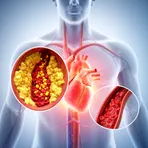
A high level of cholesterol in the blood that raises the risk of heart disease

A condition with too much fat in the blood

A condition with too much fat in the blood

A condition with too much fat in the blood that raises the chance of heart disease

A high level of fat in the blood

A condition with a lot of fat in the blood

A condition with too much fat in the blood

Too much fat in the blood that can cause heart problems

Too much fat in the blood that can damage the heart and blood vessels
Surface Forms
Morphology
hyperbetalipoproteinemia = betalipoproteinemia (opaque) = hyper + beta + lipo + protein + emia
The prefix hyper- contributes the idea of excess, but the remaining medical base is highly specialized and not readily inferable for an average B1 learner.
Etymology
The word hyperbetalipoproteinemia breaks into parts: hyper- 'too much', beta 'a label for a particle that carries fat in the blood', lipo- 'fat', protein, and -emia 'in the blood'. So it means 'too much beta fat-protein in the blood', which is why it describes a condition with very high cholesterol.