

hyaluronic acid
 1
4.6
1
4.6

- noun
- /ˌhaɪəˈlʊrənɪk ˈæsɪd/
- Specialized
- Hyaluronic acid is an integral part of the natural extracellular matrix of the dermis.
- hyaluronic acid and chondroitin
- hyaluronic acid and chondroitin sulfate
- mL of hyaluronic acid
Loading YouTube…
Watch on YouTubeLet's put on this Bolden mask has hyaluronic acid, which pumps the skin, aloe Vera and algae.
- Let's put on this Bolden mask has hyaluronic acid, which pumps the skin, aloe Vera and algae.
- Pure salicylic acid and hyaluronic acid to help your hair feel healthy and look fresh.
- That's a collagen building moisturizer with vitamin C and hyaluronic acid in a pure natural base for stunning results day after day.
- I take a hyaluronic acid supplement as well.
- Vitamin C Can I do a little bit of hyaluronic acid and release cream?
- I used this every day and night before my hyaluronic acid and my skin was incredible.
- Free hyaluronic acid is a game changer.
Examples
-
So this is Doctor Sibah Sibah Serum Repair Hyaluronic Acid Skin Moisturizing Revitalizing Serum.
-
That's a collagen building moisturizer with vitamin C and hyaluronic acid in a pure natural base for stunning results day after day.
-
I used this every day and night before my hyaluronic acid and my skin was incredible.
-
I take a hyaluronic acid supplement as well.
-
And the nice thing is it has hyaluronic acid, which helps hydrate your skin.
-
The drawback is that hyaluronic acid is so expensive.
Academic text (2006) -
They have vitamin E to nourish the skin, they have hyaluronic acid to lock in that moisture.
-
It helps to hydrate and smooth your skin, locking in that moisture, as we know hyaluronic acid does.
-
Also contains hyaluronic acid, which if you, you don't know is one of those products or ingredients that really hydrate skin and it holds a lot of water.
-
Hyaluronic acid is widely used in skincare products for its ability to keep hyaluronic acid hydrated.
Synonyms
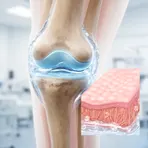
A natural substance in body tissues that keeps joints moving smoothly and eases pain while making skin feel smoother
Surface Forms
Morphology
This is a straightforward adjective + noun compound: 'hyaluronic' (relating to hyaluron/hyaluronic substance) + 'acid' (a type of chemical), so a learner who knows both constituents can infer it is the acid related to hyaluronic substance. Although the term is technical, its meaning is compositional and follows regular morphological and cross-linguistic chemical-naming patterns, making it predictable.
Etymology
Hyaluronic acid gets its name from old Greek words: hyaluronic comes from a word meaning 'glass' because the clear fluid in the eye looks like a glassy jelly, and acid shows it is a chemical. Because it is a clear, slippery gel that holds water and acts as a lubricant, that's why hyaluronic acid today means the moisture-holding substance used in skin care and in joints.