
hot-work steel
- noun
- Specialized
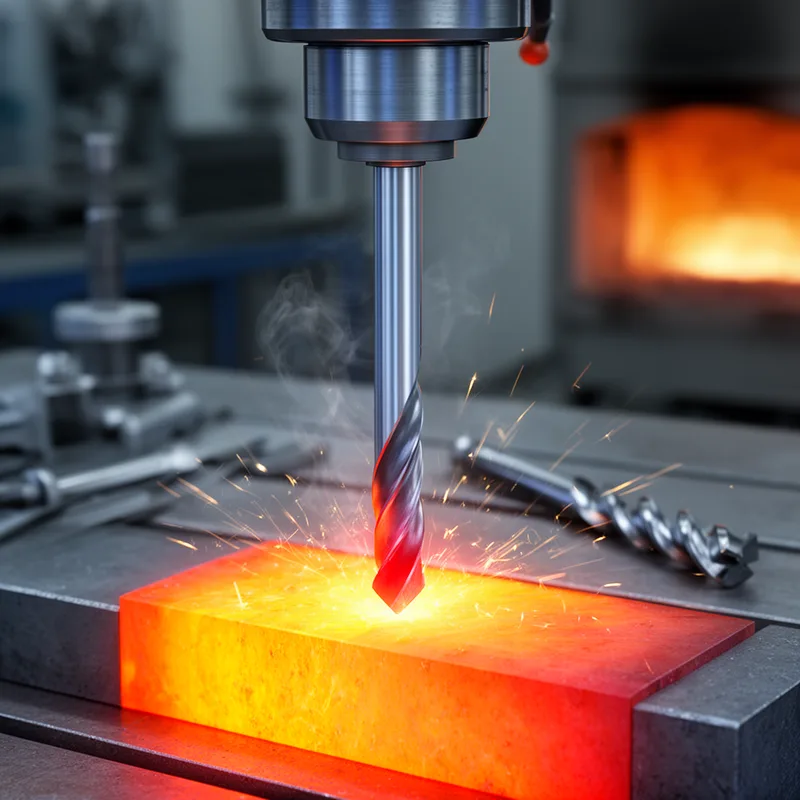
- High-speed drills are often made from hot-work steel to withstand the intense heat generated during operation.
Examples
-
The durability of hot-work steel makes it essential in the construction of forging dies.
-
Engineers selected hot-work steel for components that must maintain strength at high temperatures.
-
The engineer recommended using hot-work steel for the new tool.
-
Many manufacturers prefer hot-work steels for their durability.
-
Engineers selected hot-work steel for components that must maintain strength at high temperatures.
-
High-speed drills are often made from hot-work steel to withstand the intense heat generated during operation.
-
The durability of hot-work steel makes it essential in the construction of forging dies.
Synonyms


 1
5.3
1
5.3
A very hard metal used for cutting tools that stays hard when hot
 1
5.8
1
5.8
A very hard metal blend that resists heat and is used for cutting tools
 1
5.5
1
5.5
Hard strong steel used to make blades and parts that stay sharp

A very hard metal used for tools that contains tungsten and resists heat
A strong metal made with chromium and tungsten that resists heat and wear

A hard strong metal used to make chisels and other cutting tools
How Heat-Resistant
- Specialized
1
5.3

- Specialized
- Specialized
1
5.5
- Specialized
2
3.5
- Specialized
Surface Forms
Morphology
The noun is transparently composed from 'hot-work' (to work metal while hot) + 'steel', so a learner who knows the constituents can reasonably infer it refers to a type of steel related to hot working or use at high temperatures. However, the precise technical property—retaining hardness at high temperatures and its specific use for cutting tools—is specialized and not fully predictable from the everyday meanings, so it is only partially transparent to a B1 learner.
Etymology
Hot-work steel comes from workers who do 'hot work', that is, shaping metal while it is very hot, so the name points to a steel that keeps its hardness during hot work. So, hot-work steel means a kind of steel used for tools that must stay hard at high temperatures.