
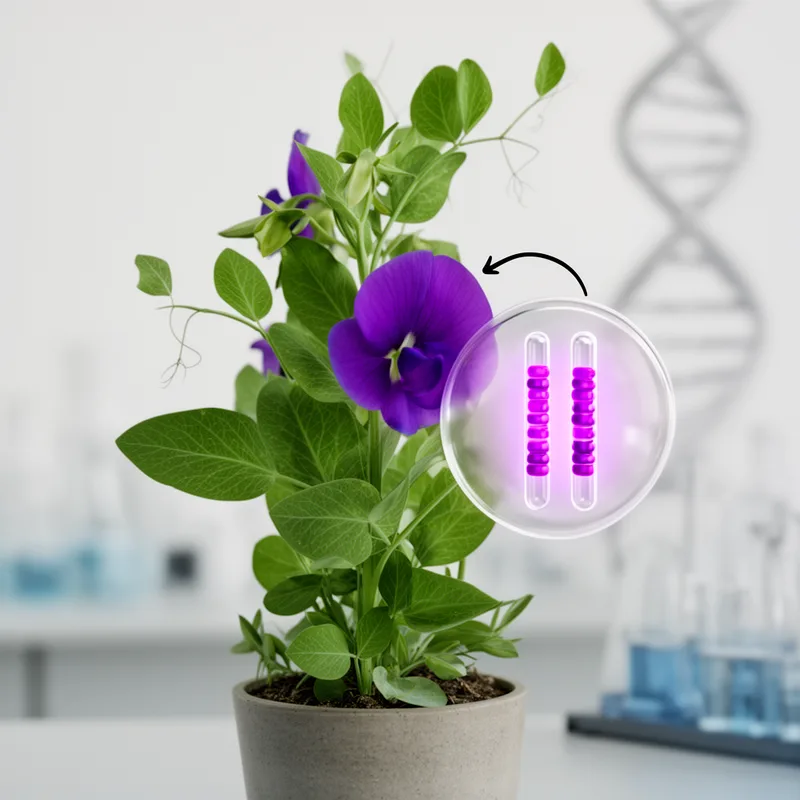
homozygote


 1
9.1
- noun
- /ˌhoʊməˈzaɪɡoʊt/
- Specialized
- Excesses in heterozygote frequencies are expected in outcrossing species, while excesses in homozygote frequencies are considered characteristic of inbreeding species.
- carriers to homozygotes
Examples
-
The sickle homozygotes suffer from complications of anemia.
-
The protein produced by the second mutant, S442P S969F, is clearly stable at the permissive temperature, given the normal muscle structure in the homozygote (Figure 2).
Academic text (2016) -
So irrespective of the size, the TT homozygotes had really slow rates of expansion.
-
The dominant model for all Asians combined in the Singapore sample compares S carriers to L homozygotes.
Academic text (2016) -
In malarial environments, the antimalarial benefits to the more numerous heterozygotes offset the severe disadvantage to the far less numerous homozygotes.
Academic text (1993) -
In genetics, a homozygote has two identical alleles, such as the TT genotype in plants.
-
The researchers found that individuals who are homozygotes for the cystic fibrosis gene often exhibit similar symptoms.
-
To understand plant breeding, we study how homozygotes and heterozygotes interact in the gene pool.
How Heterozygous
- Specialized
1
9.9

- Specialized
1
9.1
Surface Forms
Morphology
Etymology
Homozygote comes from homo- meaning 'same', as in homogeneous, and zygote from a root meaning 'yoke' or 'joining'. So a homozygote is a living thing with two 'same' versions of a gene joined together, which makes it show the same trait.