

homeotic gene
- noun
- /hoʊˈmiːətɪk dʒiːn/
- Specialized
- But the ingenious work of many scientists (most notably Ed Lewis and colleagues at CalTech) has elucidated the genetic configuration and mode of action of the homeotic genes.
Examples
-
For example, mutations in certain homeotic genes in fruit flies cause the halteres (small balancing organs) to be transformed into a second pair of wings.
Blog text (28) -
The activation of homeotic genes in the embryo is crucial for the proper development of body structures.
-
Drosophila, by contrast, retains but a single set of homeotic genes.
Academic text (1992) -
Homeotic genes were never an ideal solution to the problem of embryo formation; they were just the best improvisation that DNA could come up with on its own.
Fiction book (2000) -
For instance, homeotic genes direct the formation of the head and limbs during early embryonic development.
-
Mutations in homeotic genes can lead to severe abnormalities in body organization in developing organisms.
Synonyms
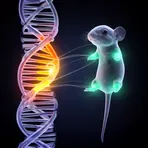
A piece of DNA that tells an animal where to grow body parts like legs
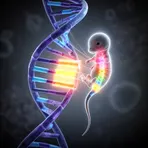
A gene that has a homeobox part and controls how an embryo's body forms
Surface Forms
Morphology
This is a straightforward adjective + noun composition: 'homeotic' describes a property and 'gene' names the biological unit, so a learner who knows 'homeotic' (pertaining to body-part development) and 'gene' can infer 'a gene that controls body structures'. Although the vocabulary is technical, the meaning is directly and transparently derivable from the constituents.
Etymology
The term homeotic gene may come from the idea that these genes act like address labels in an embryo, marking the 'home' spot where each body part should form. So, homeotic genes tell the developing embryo where to put body parts, which is why the name refers to genes that control early body organization.

