

histoincompatibility
- noun
- /ˌhɪstoʊɪnˌkɒmpəˈtɪbɪlɪti/
- Specialized
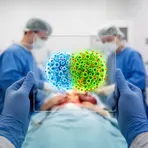
- Histoincompatibility is a major concern in organ transplantation, often leading to rejection of the donated tissue.
Examples
-
The success of the surgery depended on the absence of histoincompatibility between the donor and recipient.
-
Doctors test for histoincompatibility before proceeding with a bone marrow transplant.
-
Histoincompatibility can lead to organ rejection.
-
The doctors explained the risks of histoincompatibility to the patient.
-
Histoincompatibility can cause the body to reject organ transplants if the tissues are not compatible.
-
Before a transplant, it's essential to check for histoincompatibility to ensure the donor and recipient are a good match.
-
The chances of a successful transplant greatly improve when histoincompatibility is avoided.
Synonyms

 1
7.0
1
7.0

When the body rejects blood or tissue from another person
Antonyms
- Specialized

 1
9.9
1
9.9
How well one person's cells match another's so the body does not reject a transplant
How Compatible
9
3.9

- Specialized
1
9.9
- Specialized
13
4.2
Surface Forms
Morphology
histoincompatibility = incompatibility (semi-transparent) = histo + compatible + ity
The combining form 'histo-' adds a technical 'tissue' specification to the clearly analyzable 'incompatibility', which may be unfamiliar to average learners.
Etymology
Histoincompatibility combines histo- meaning 'tissue', like in histology, and incompatibility meaning 'not fitting together'. So it refers to tissues from two people that do not match, which can cause a transplant to be rejected.