
heterolytic


 1
9.9
- adjective
- /ˌhɛtərəˈlɪtɪk/
- Specialized
- The chemist explained that a heterolytic bond breaking can lead to the formation of two distinct ions.
- heterolytic O-O bond
Examples
-
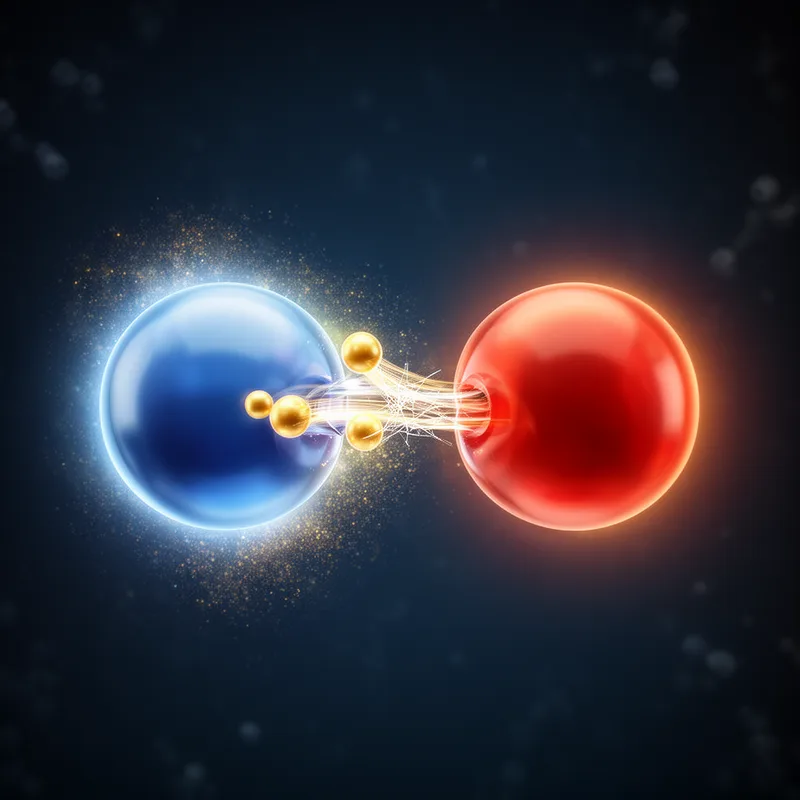
In a heterolytic cleavage, the bond breaks so that one atom gains both electrons and becomes negatively charged.
-
From these complexes, the reaction may proceed via the two different mechanisms (homolytic and heterolytic) presented in Schemes 5 and 6, respectively.
Academic text (2001) -
During the reaction, the heterolytic dissociation resulted in one atom carrying both electrons from the broken bond.
Antonyms
- Specialized
1
9.9
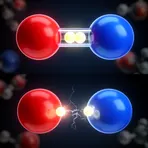
A bond that breaks so each atom keeps one electron, making two atoms with one unpaired electron
Surface Forms
Morphology
heterolytic = lytic (semi-transparent) = hetero + lytic
The adjective is formed by regular prefixation of 'hetero-' to the adjective 'lytic'; the morphological operation is predictable even if the content is technical.
Etymology
Heterolytic comes from the parts hetero- meaning 'different' and -lytic meaning 'to break', the same -lytic you see in electrolysis. So a heterolytic break is an uneven break where both electrons go to one atom, making 'ions' or charged atoms, which is why the word is used for reactions that produce ions.