
helot
 1
9.9
1
9.9

- noun
- /ˈhɛlət/
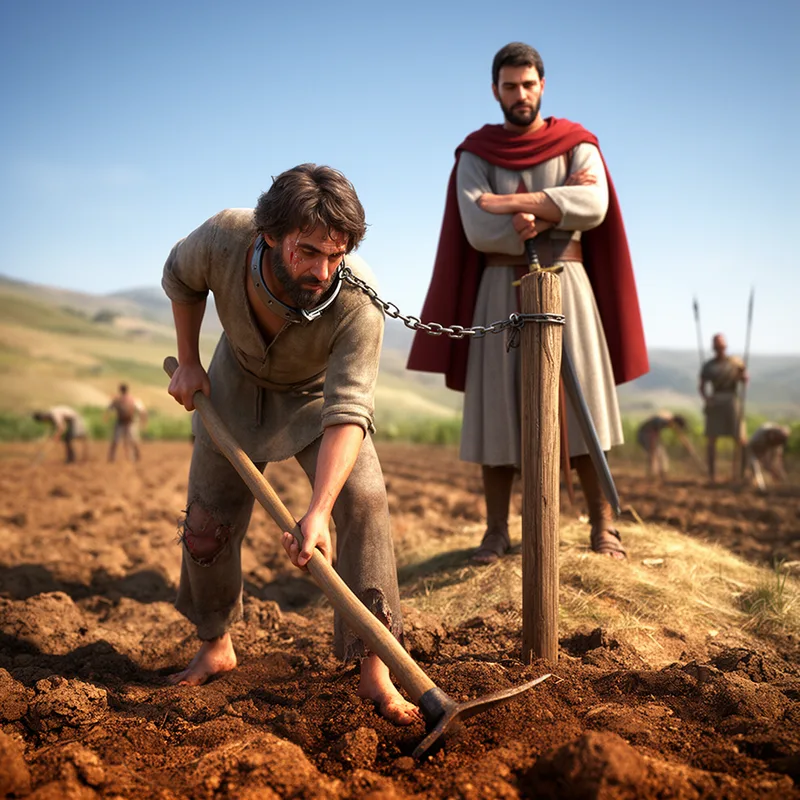
- With virtually all military-aged Spartan males training for war, the Helots served as a sort of landed peasantry or slave class in Sparta.
Examples
-
According to the Greek historian Thucydides, the plot was foiled by other Helots who turned in the general and his rebels.
Blog text (11) -
On occasion, the Helots, who outnumbered the Spartans seven to one, would rise up and rebel against their masters.
Blog text (11) -
A Helot arrives; trembling, she asks him for news.
Academic text (1991) -
Every heavy infantryman of the Spartiate class travels to war attended by at least one helot.
Fiction book (1999) -
Also, the helots hated and mistrusted any foreigner among them who might prove an informer.
Fiction book (1999) -
Their harsh treatment of the helots had a definite influence on their foreign policy because the dangers at home often disinclined them from undertaking long military campaigns or imperialist adventures.
Academic text (1996) -
I was originally cast among the Spartan helots, the serf class that the Lakedaemonians had created from the inhabitants of Messenia and Helos after they had conquered and enslaved them in centuries past.
Fiction book (1999) -
In ancient Sparta, a helot worked the land and served the Spartan citizens.
-
Many helots were forced to work for their Spartan masters without pay or freedom.
-
The Spartans relied on helots to provide food and support for their military campaigns.
Synonyms
 19
9.4
19
9.4
A person in the Middle Ages who must work a lord's land and cannot leave


 1
9.9
1
9.9
A person in the Middle Ages who must work the lord's land and cannot leave
Antonyms


Surface Forms
Etymology
The word helot comes from an old Greek word, helotēs, meaning 'captive' or 'one taken in war'. That's why a helot was a person forced to work for their masters, and why the word now means someone in servitude or tied to the land.